
Compare · 2 products compared
AMD Radeon RX 9060 XT 16GBvsNVIDIA GeForce RTX 5070 Ti
The AMD Radeon RX 9060 XT 16GB and NVIDIA GeForce RTX 5070 Ti both offer 16GB of video memory for modern gaming setups. Choosing between them comes down to whether you prioritize raw compute speed and advanced memory technology or power efficiency and a lower initial purchase price.
eBay prices refresh hourly — check the listing before you buy. We may earn a commission.
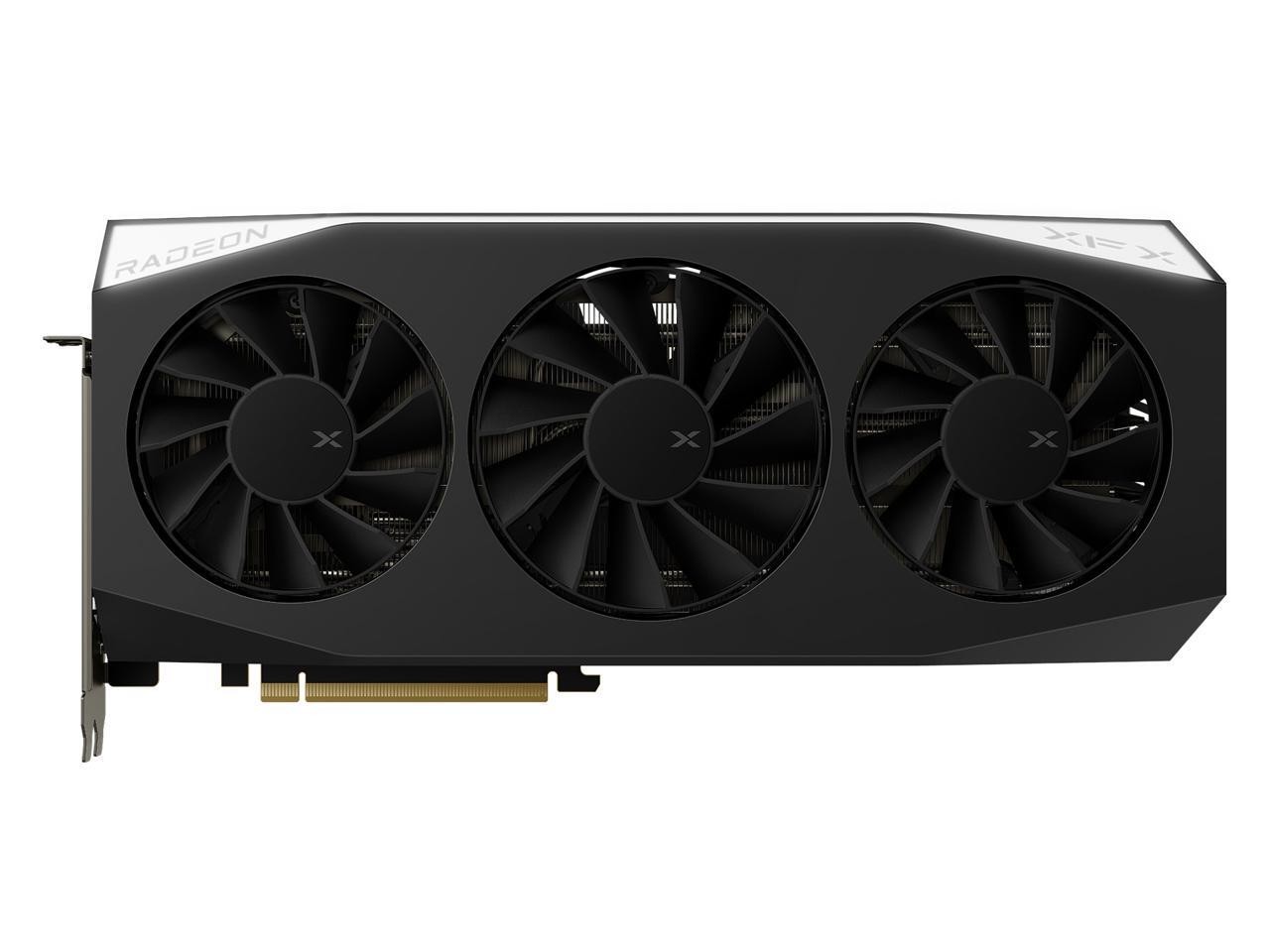
Best for Value-focused gamers seeking low power draw and a lower price
Wins4 / 14- MOST WINS
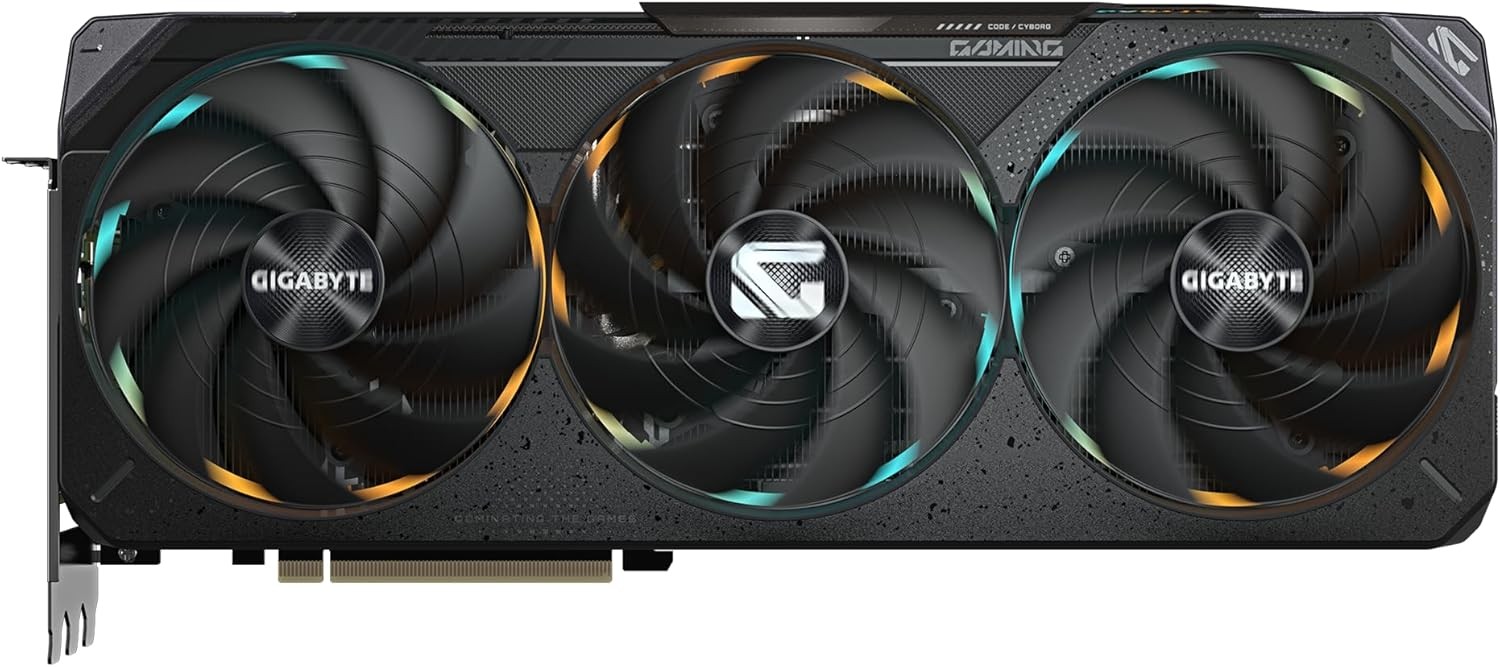
Best for Enthusiasts requiring top-tier compute performance and advanced memory
Wins10 / 14
Biggest differences
Shader cores
NVIDIA GeForce RTX 5070 Ti leads
4.38×
higher is better
- AMD Radeon RX 9060 XT 16GB2,048 cores
- NVIDIA GeForce RTX 5070 Ti8,960 cores
Memory bandwidth
NVIDIA GeForce RTX 5070 Ti leads
2.8×
higher is better
- AMD Radeon RX 9060 XT 16GB320 GB/s
- NVIDIA GeForce RTX 5070 Ti896 GB/s
Launch price
AMD Radeon RX 9060 XT 16GB leads
2.15×
lower is better
- AMD Radeon RX 9060 XT 16GB349 USD
- NVIDIA GeForce RTX 5070 Ti749 USD
Memory bus width
NVIDIA GeForce RTX 5070 Ti leads
2×
higher is better
- AMD Radeon RX 9060 XT 16GB128 bit
- NVIDIA GeForce RTX 5070 Ti256 bit
Where each one wins
AMD Radeon RX 9060 XT 16GB
- Launch price
- Boost clock
- Board power
- Recommended PSU
NVIDIA GeForce RTX 5070 Ti
- Shader cores
- FP32 compute
- Memory type
- Memory bus width
- Memory bandwidth
- Memory speed
- Last-level cache
- DisplayPort version
- DisplayPort outputs
- Max displays
What both have
- Video memory16 GB
- PCIe version5.0
- PCIe lanes16 lanes
- HDMI version2.1b
- HDMI outputs1 ports
- Hardware encodeH.264, HEVC, AV1
Every spec
Red marks the better value in each row.
| Spec | AMD Radeon RX 9060 XT 16GB | NVIDIA GeForce RTX 5070 Ti |
|---|---|---|
| Overview | ||
| Release date | 2025-06 | 2025-02 |
| Launch price | 349 USD1 | 749 USD2 |
| Graphics chip | ||
| Architecture | Rdna 4 | Blackwell |
| Shader cores | 2,048 cores | 8,960 cores |
| Boost clock | 3,130 MHz | 2,452 MHz |
| Base clock | Not published | 2,300 MHz |
| FP32 compute | 25.6 TFLOPS | 43.9 TFLOPS |
| Memory | ||
| Video memory | 16 GB | 16 GB |
| Memory type | Gddr6 | Gddr7 |
| Memory bus width | 128 bit | 256 bit |
| Memory bandwidth | 320 GB/s | 896 GB/s |
| Memory speed | 20 Gbps | 28 Gbps |
| Last-level cache | 32 MB | 48 MB |
| Power | ||
| Board power | 160 W | 300 W |
| Recommended PSU | 450 W | 750 W |
| Power connectors | 8-pin | 12V-2x63 |
| Interface | ||
| PCIe version | 5.0 | 5.0 |
| PCIe lanes | 16 lanes | 16 lanes |
| Display outputs | ||
| HDMI version | 2.1b | 2.1b |
| DisplayPort version | 2.1a | 2.1b4 |
| HDMI outputs | 1 ports5 | 1 ports |
| DisplayPort outputs | 2 ports6 | 3 ports |
| Max displays | 3 displays | 4 displays |
| Video engine | ||
| Hardware encode | H.264, HEVC, AV1 | H.264, HEVC, AV1 |
| Video encoders | Not published | 2 encoders |
| Size | ||
| Card length | Not published | Not published |
| Card height | Not published | Not published |
| Slot width | Not published | Not published |
Notes on 6 values — test conditions and caveats
- 1AMD Radeon RX 9060 XT 16GB, Launch price: Launch MSRP was $349, but most 16GB models initially sold higher; Tom's Hardware saw them starting at $389.
- 2NVIDIA GeForce RTX 5070 Ti, Launch price: NVIDIA sells no Founders Edition of this card; $749 is the starting MSRP for partner cards.
- 3NVIDIA GeForce RTX 5070 Ti, Power connectors: One 16-pin 12V-2x6 socket; an adapter for two 8-pin cables comes in the box.
- 4NVIDIA GeForce RTX 5070 Ti, DisplayPort version: DisplayPort 2.1b at the full UHBR20 rate.
- 5AMD Radeon RX 9060 XT 16GB, HDMI outputs: AMD sells no reference card; this is the reference-design I/O. Partner cards can differ (Sapphire Pulse: 2 HDMI, 1 DP).
- 6AMD Radeon RX 9060 XT 16GB, DisplayPort outputs: AMD sells no reference card; this is the reference-design I/O. Partner cards can differ (Sapphire Pulse: 2 HDMI, 1 DP).
Performance and Compute
The RTX 5070 Ti dominates raw compute tasks with 8,960 shader cores delivering 43.9 TFLOPS. By contrast, the RX 9060 XT features 2,048 shader cores and reaches 25.6 TFLOPS, though its Rdna 4 architecture hits a higher boost clock of 3,130 MHz.
Buyers focusing on heavy ray tracing and demanding rendering workflows will benefit from the substantially higher compute output of the NVIDIA card. Gamers targeting standard high-frame-rate titles will still find capable performance from the AMD architecture.
Memory and Cache
Both cards equip 16 GB of video memory, but their underlying memory architectures differ significantly. The RTX 5070 Ti uses faster Gddr7 memory on a 256-bit bus, achieving a massive 896 GB/s bandwidth alongside 48 MB of last-level cache.
The RX 9060 XT relies on Gddr6 memory across a 128-bit bus, delivering 320 GB/s bandwidth and 32 MB of last-level cache. High-resolution texture streaming and complex asset management favor the wider bus and faster speeds of the NVIDIA hardware.
Power and System Requirements
Power consumption heavily favors the AMD option, which runs at a modest board power of 160 W and requires only a 450 W power supply with a single 8-pin connector. The NVIDIA card demands a much heavier 300 W board power and a 750 W power supply, utilizing a 12V-2x6 connector.
Upgrading a system with the RX 9060 XT keeps electricity bills lower and lets users keep their existing power supplies. Choosing the RTX 5070 Ti requires verifying that your power supply and case cabling can support high-wattage hardware.
Displays and Connectivity
The NVIDIA card drives up to 4 displays through three DisplayPort 2.1b outputs and one HDMI port. The AMD reference design supports 3 displays across two DisplayPort outputs and one HDMI port.
Buyers running multi-monitor setups or advanced high-refresh displays gain extra flexibility from the extra display output on the NVIDIA card. Keep in mind that partner card designs for both manufacturers can alter these port counts.
The Verdict
Buy the AMD Radeon RX 9060 XT 16GB if you want a budget-friendly and power-efficient card that keeps system upgrade costs down. Buy the NVIDIA GeForce RTX 5070 Ti if you need maximum compute throughput, faster memory bandwidth, and multi-display support.
Where to buy
AMD Radeon RX 9060 XT 16GB
Best for Value-focused gamers seeking low power draw and a lower price
NVIDIA GeForce RTX 5070 Ti
Best for Enthusiasts requiring top-tier compute performance and advanced memory
FAQ
Do both graphics cards support the same PCIe version?
Yes, both support PCIe 5.0 with 16 lanes for high-speed motherboard communication.
What video encoding formats do these GPUs support?
Both models support hardware encoding for H.264, HEVC, and AV1 formats.
What power connector does the NVIDIA card use?
The RTX 5070 Ti uses a 12V-2x6 connector, and includes an adapter for two standard 8-pin cables in the box.
Spotted something wrong? Tap the next to any section or spec group to let us know. Every report is read.


