
Compare · 2 products compared
NVIDIA GeForce RTX 5050vsNVIDIA GeForce RTX 5070 Ti
Both graphics cards share the Blackwell architecture and a February to July 2005 launch window, but they target vastly different budgets and performance tiers. Choosing between them comes down to whether you prioritize a lower entry price and efficient power draw or maximum shader compute and massive memory bandwidth.
eBay prices refresh hourly — check the listing before you buy. We may earn a commission.

Best for Budget-conscious builds and light gaming
Wins5 / 14- MOST WINS
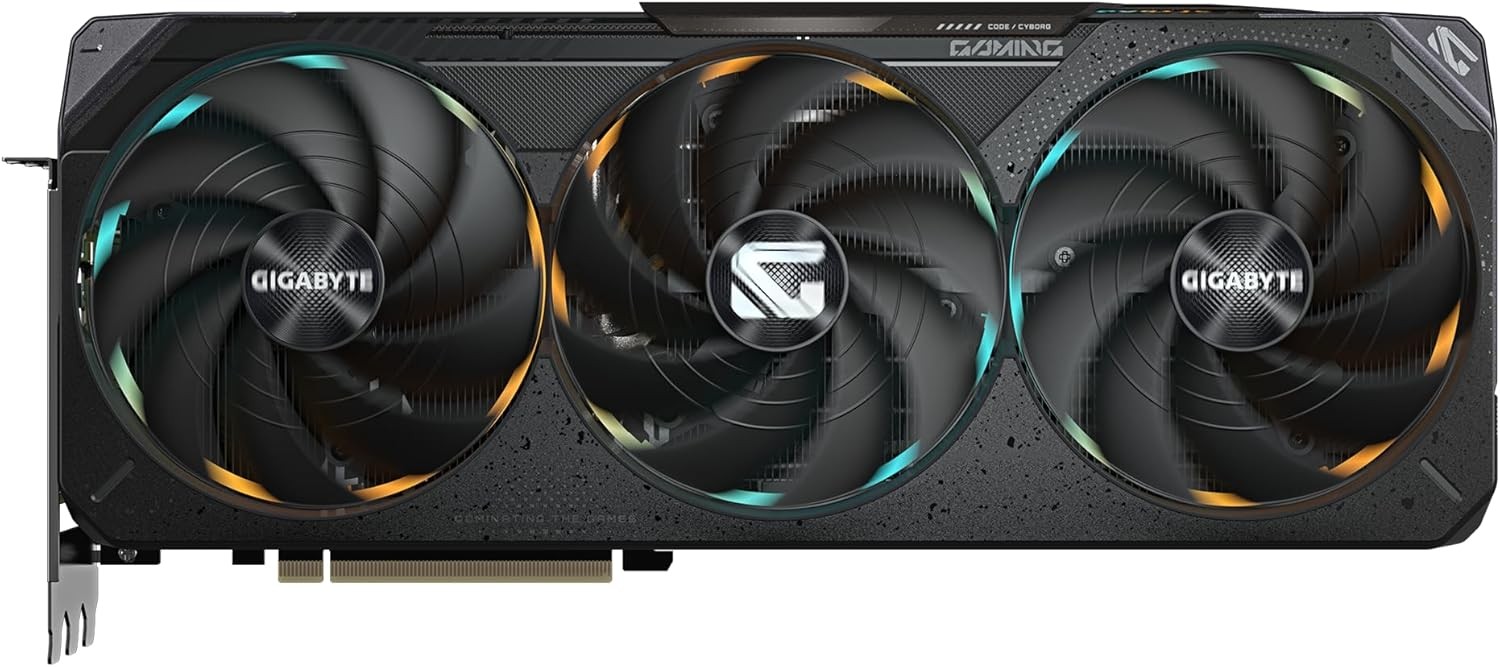 Wins9 / 14
Biggest differences
Shader cores
NVIDIA GeForce RTX 5070 Ti leads
3.5×
higher is better
- NVIDIA GeForce RTX 50502,560 cores
- NVIDIA GeForce RTX 5070 Ti8,960 cores
Launch price
NVIDIA GeForce RTX 5050 leads
3.01×
lower is better
- NVIDIA GeForce RTX 5050249 USD
- NVIDIA GeForce RTX 5070 Ti749 USD
Memory bandwidth
NVIDIA GeForce RTX 5070 Ti leads
2.8×
higher is better
- NVIDIA GeForce RTX 5050320 GB/s
- NVIDIA GeForce RTX 5070 Ti896 GB/s
Board power
NVIDIA GeForce RTX 5050 leads
2.31×
lower is better
- NVIDIA GeForce RTX 5050130 W
- NVIDIA GeForce RTX 5070 Ti300 W
Where each one wins
NVIDIA GeForce RTX 5050
- Launch price
- Boost clock
- Base clock
- Board power
- Recommended PSU
NVIDIA GeForce RTX 5070 Ti
- Shader cores
- FP32 compute
- Video memory
- Memory type
- Memory bus width
- Memory bandwidth
- Memory speed
- PCIe lanes
- Video encoders
What both have
- ArchitectureBlackwell
- PCIe version5.0
- HDMI version2.1b
- DisplayPort version2.1b
- HDMI outputs1 ports
- DisplayPort outputs3 ports
- Max displays4 displays
Every spec
Red marks the better value in each row.
| Spec | NVIDIA GeForce RTX 5050 | NVIDIA GeForce RTX 5070 Ti |
|---|---|---|
| Overview | ||
| Release date | 2025-07 | 2025-02 |
| Launch price | 249 USD | 749 USD1 |
| Graphics chip | ||
| Architecture | Blackwell | Blackwell |
| Shader cores | 2,560 cores | 8,960 cores |
| Boost clock | 2,570 MHz | 2,452 MHz |
| Base clock | 2,310 MHz | 2,300 MHz |
| FP32 compute | 13.2 TFLOPS | 43.9 TFLOPS |
| Memory | ||
| Video memory | 8 GB | 16 GB |
| Memory type | Gddr6 | Gddr7 |
| Memory bus width | 128 bit | 256 bit |
| Memory bandwidth | 320 GB/s | 896 GB/s |
| Memory speed | 20 Gbps | 28 Gbps |
| Last-level cache | Not published | 48 MB |
| Power | ||
| Board power | 130 W | 300 W |
| Recommended PSU | 550 W2 | 750 W |
| Power connectors | 8-pin3 | 12V-2x64 |
| Interface | ||
| PCIe version | 5.0 | 5.0 |
| PCIe lanes | 8 lanes | 16 lanes |
| Display outputs | ||
| HDMI version | 2.1b | 2.1b |
| DisplayPort version | 2.1b5 | 2.1b6 |
| HDMI outputs | 1 ports | 1 ports |
| DisplayPort outputs | 3 ports | 3 ports |
| Max displays | 4 displays | 4 displays |
| Video engine | ||
| Hardware encode | AV1 | H.264, HEVC, AV1 |
| Video encoders | 1 encoders | 2 encoders |
| Size | ||
| Card length | Not published | Not published |
| Card height | Not published | Not published |
| Slot width | Not published | Not published |
Notes on 6 values — test conditions and caveats
- 1NVIDIA GeForce RTX 5070 Ti, Launch price: NVIDIA sells no Founders Edition of this card; $749 is the starting MSRP for partner cards.
- 2NVIDIA GeForce RTX 5050, Recommended PSU: NVIDIA's 550 W minimum assumes a Ryzen 9 9950X system; requirements vary with your configuration.
- 3NVIDIA GeForce RTX 5050, Power connectors: Native input is one 8-pin; NVIDIA's 300 W+ PCIe Gen 5 PSU-cable option works via the in-box adapter.
- 4NVIDIA GeForce RTX 5070 Ti, Power connectors: One 16-pin 12V-2x6 socket; an adapter for two 8-pin cables comes in the box.
- 5NVIDIA GeForce RTX 5050, DisplayPort version: NVIDIA specifies UHBR20 on these DisplayPort 2.1b outputs.
- 6NVIDIA GeForce RTX 5070 Ti, DisplayPort version: DisplayPort 2.1b at the full UHBR20 rate.
Performance and Compute
The RTX 5070 Ti vastly outpaces its entry-level counterpart with 8,960 shader cores and 43.9 TFLOPS of FP32 compute. This massive horsepower lets the higher-end card chew through heavy rendering and demanding high-resolution gaming without breaking a sweat.
In contrast, the RTX 5050 relies on a modest 2,560 cores yielding 13.2 TFLOPS. While it features slightly higher clock speeds out of the box, it is built for lighter workloads and more constrained gaming setups.
Memory and Video Processing
Equipped with 16 GB of Gddr7 memory across a 256-bit bus, the RTX 5070 Ti delivers an enormous 896 GB/s of bandwidth. It also packs two hardware video encoders and extensive format support including H.264 and HEVC alongside AV1, making it a powerhouse for content creators.
The RTX 5050 makes do with 8 GB of slower Gddr6 memory on a 128-bit bus, achieving 320 GB/s. Its single hardware encoder is limited to AV1, which suits basic streaming but restricts heavy multi-format production workflows.
Power and System Requirements
Efficiency is where the lighter card shines, requiring just 130 W of board power and a modest 550 W power supply. It connects via a traditional 8-pin input, though an in-box adapter supports modern PCIe Gen 5 cables.
Stepping up to the RTX 5070 Ti demands a much beefier system, drawing 300 W and requiring a 750 W power supply. It utilizes a modern 12V-2x6 socket with an included dual 8-pin adapter and features double the PCIe lanes for maximum data throughput.
The Verdict
Buy the RTX 5050 if you want an affordable and power-efficient card for basic setups. Buy the RTX 5070 Ti if you need top-tier rendering performance and heavy-duty memory bandwidth.
Where to buy
NVIDIA GeForce RTX 5050
Best for Budget-conscious builds and light gaming
NVIDIA GeForce RTX 5070 Ti
FAQ
What power supply do I need for these cards?
The RTX 5050 requires a minimum 550 W power supply, while the RTX 5070 Ti demands a 750 W unit.
Do both cards support the same display outputs?
Yes, both feature one HDMI 2.1b port and three DisplayPort 2.1b outputs capable of driving up to four displays.
What memory types do they use?
The RTX 5050 uses Gddr6 memory, whereas the RTX 5070 Ti upgrades to faster Gddr7 memory.
Spotted something wrong? Tap the next to any section or spec group to let us know. Every report is read.


