Compare · 4 products compared
Canon EOS R5 Mark IIvs3 rivals: specs compared
4 digital cameras lined up on the specs we could confirm from the makers' pages and independent reviews. Launch prices run from $1,499 (Ricoh GR IV) to $5,500 (Nikon Z9).
eBay prices refresh hourly — check the listing before you buy. We may earn a commission.
- ×
 Canon
CanonBest for Sensor format and In-body image stabilization
14of 28 specs better - MOST WINS×Nikon
Best for Effective pixels and Sensor format
16of 28 specs better - ×Nikon
Best for Screen articulation
1of 28 specs better - ×Ricoh
Best for Weight and Native ISO maximum
6of 28 specs better
Biggest differences
Weight
Ricoh GR IV leads
5.11×
lower is better
- Canon EOS R5 Mark II746 g
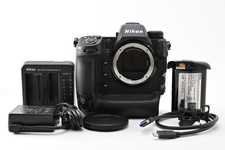
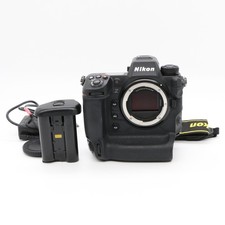
- Nikon Z91,340 g
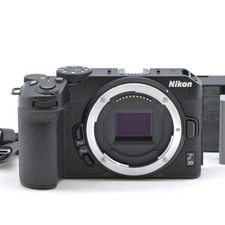
- Nikon Z 30405 g
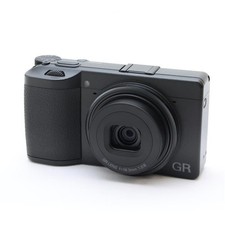
- Ricoh GR IV262 g
Launch price
Ricoh GR IV leads
3.67×
lower is better
- Canon EOS R5 Mark IINot published
- Nikon Z95,500 USD
- Nikon Z 30Not published
- Ricoh GR IV1,499 USD
Battery life
Nikon Z9 leads
2.96×
higher is better
- Canon EOS R5 Mark II630 shots
- Nikon Z9740 shots
- Nikon Z 30330 shots
- Ricoh GR IV250 shots
Native ISO maximum
Ricoh GR IV leads
8×
higher is better
- Canon EOS R5 Mark IINot published
- Nikon Z925,600 ISO
- Nikon Z 3051,200 ISO
- Ricoh GR IV204,800 ISO
Features not all of them have
Headphone port
- ✓
- ✓
- ?
- ✕
Where each one wins
Canon EOS R5 Mark II
- Sensor format
- In-body image stabilization
- Sensor type
- Continuous shooting (mechanical)
- Continuous shooting (electronic)
- Max video resolution
- 4K max frame rate (full width)
- Raw video recording
- Viewfinder resolution
- Screen articulation
- Rear screen resolution
- Memory card slots
- Headphone port
- HDMI port type
Nikon Z9
- Effective pixels
- Sensor format
- Sensor type
- Max mechanical shutter speed
- Pre-burst capture duration
- Max video resolution
- 4K max frame rate
- Raw video recording
- Viewfinder magnification
- Screen size
- Rear screen resolution
- Battery life
- Memory card slots
- Minimum operating temperature
- Headphone port
- HDMI port type
Nikon Z 30
- Screen articulation
Ricoh GR IV
- Launch price
- Native ISO maximum
- Weight
- Width
- Height
- Depth
What all 4 have
- USB charging & power delivery✓
Every spec
Red marks the better value in each row.
Overview
Release date
- 2024-08
- 2021-12
- Not published
- Not published
Launch price
- Not published
- 5,500 USD
- Not published
- 1,499 USD1
Lens mount
- Canon RF
- Nikon Z
- Nikon Z
- Fixed lens
High resolution pixel-shift mode
- Not published
- No
- Not published
- Not published
Sensor & Image
Lens & Autofocus
Video
Max video resolution
- 8K
- 8K
- 4K
- 1080p
4K max frame rate
- —
- 120 fps
- 30 fps
- Not published
Video codecs
- HEVC, ProRes RAW, Cinema RAW Light, XF-AVC15
- H.264, HEVC, ProRes 422 HQ, ProRes RAW, N-RAW
- H.264
- H.264
4K max frame rate (full width)
- 59.94 fps
- 30 fps
- 30 fps
- Not published
Raw video recording
- Internal
- Internal
- Not published
- None
Video bit depth
- 10 bit
- 10 bit
- Not published
- Not published
Log profile support
- Yes
- Yes
- Not published
- Not published
Video dynamic range (log)
- Not published
- Not published
- Not published
- Not published
Viewfinder & Screen
Viewfinder resolution
- 5.76 M dots
- 3.69 M dots
- 0 M dots16
- 0 M dots
Viewfinder magnification
- 0.76 x
- 0.8 x
- Not published
- Not published
Screen size
- Not published
- 3.2 in
- 3 in
- 3 in
Screen articulation
- Fully articulated
- Tilting
- Fully articulated
- Fixed
Rear screen resolution
- 2.1 M dots
- 2.1 M dots
- 1.04 M dots
- 1.037 M dots
Handling & Power
Memory card slots
- 2 slots
- 2 slots
- 1 slots
- 1 slots19
Weather sealing
- Dust and drip resistant
- Dust and drip resistant
- Not published
- Not published
Weight
- 746 g
- 1,340 g
- 405 g
- 262 g
Width
- 138.5 mm
- 149 mm
- 128 mm
- 109.4 mm
Height
- 101.2 mm
- 149.5 mm
- 73.5 mm
- 61.1 mm
Depth
- 93.5 mm
- 90.5 mm
- 59.5 mm
- 32.7 mm
Minimum operating temperature
- 0 °C
- -10 °C
- 0 °C
- Not published
Headphone port
- Yes
- Yes
- Not published
- No
HDMI port type
- Full-size
- Full-size
- Mini
- None22
Notes on 22 values — test conditions and caveats
- 1Ricoh GR IV, Launch price: Launch MSRP per the review; Ricoh's US store currently lists $1,599.95.
- 2Nikon Z 30, Sensor format: DX format is Nikon's name for its APS-C-size sensor (23.5 x 15.7 mm).
- 3Nikon Z 30, Native ISO maximum: Settings above ISO 51200 (102400, 204800) are expanded, not native.
- 4Nikon Z9, In-body image stabilization: The 6.0-stop rating requires Synchro VR, combining in-body 5-axis VR with 2-axis lens VR on compatible lenses.
- 5Ricoh GR IV, In-body image stabilization: Ricoh's 6.0-stop rating applies at frame centre; periphery is rated 4.0 stops (CIPA 2024).
- 6Ricoh GR IV, Sensor type: The sensor is a back-illuminated (BSI) CMOS type; mapped to 'cmos' as no BSI option is listed.
- 7Nikon Z 30, Aspect ratios: Native DX ratio is 3:2; 1:1 and 16:9 are in-camera crop modes.
- 8Ricoh GR IV, Aspect ratios: 3:2 is native to the 23.3 x 15.5 mm sensor; 4:3, 1:1 and 16:9 are in-camera crop modes.
- 9Nikon Z 30, Continuous shooting (mechanical): Nikon's in-house measured maximum; the rate is approximate.
- 10Ricoh GR IV, Continuous shooting (mechanical): The review cites 4 fps continuous without specifying shutter type.
- 11Ricoh GR IV, Max mechanical shutter speed: 1/4000 s requires F5.6 or a smaller aperture; at F2.8 the limit is 1/2500 s.
- 12Canon EOS R5 Mark II, Pre-burst capture duration: Up to 15 shots can be buffered before you fully press the shutter, which is about half a second at 30 fps.
- 13Nikon Z9, Pre-burst capture duration: Pre-Release Capture is only available in the C30 and C120 high-speed frame capture modes.
- 14Ricoh GR IV, AF subject detection: Only face/eye detection is offered; no animal or vehicle subject recognition is listed.
- 15Canon EOS R5 Mark II, Video codecs: Internal codecs are XF-HEVC S, XF-AVC S and H.264 MP4; ProRes RAW is recorded via HDMI to an external recorder.
- 16Nikon Z 30, Viewfinder resolution: The Z 30 has no electronic viewfinder; compose on the rear LCD.
- 17Nikon Z 30, Battery life: Figure is for the EN-EL25 battery; shot count differs with EN-EL25a.
- 18Ricoh GR IV, Battery life: CIPA-rated at 23°C with a fully charged DB-120 battery.
- 19Ricoh GR IV, Memory card slots: Single microSD slot, plus 53 GB internal memory that cannot record to both at once.
- 20Nikon Z 30, USB charging & power delivery: In-camera USB charging/power needs Nikon's optional EH-7P or EH-8P adapter.
- 21Ricoh GR IV, USB charging & power delivery: Battery charges and camera draws power in-body over USB-C; fast charging needs a USB-PD adapter.
- 22Ricoh GR IV, HDMI port type: Video output is DisplayPort over USB-C; there is no HDMI connector.
Weight
Ricoh GR IV leads here (5.11× between best and worst; lower is better).
Canon EOS R5 Mark II: 746 g · Nikon Z 30: 405 g · Nikon Z9: 1,340 g · Ricoh GR IV: 262 g
Battery life
Nikon Z9 leads here (2.96× between best and worst; higher is better).
Canon EOS R5 Mark II: 630 shots · Nikon Z 30: 330 shots · Nikon Z9: 740 shots · Ricoh GR IV: 250 shots
Native ISO maximum
Ricoh GR IV leads here (8× between best and worst; higher is better).
Nikon Z 30: 51,200 ISO · Nikon Z9: 25,600 ISO · Ricoh GR IV: 204,800 ISO
Max mechanical shutter speed
Nikon Z9 leads here (8× between best and worst; higher is better).
Canon EOS R5 Mark II: 8,000 1/s · Nikon Z 30: 4,000 1/s · Nikon Z9: 32,000 1/s · Ricoh GR IV: 4,000 1/s
Effective pixels
Nikon Z9 leads here (2.19× between best and worst; higher is better).
Canon EOS R5 Mark II: 45 MP · Nikon Z 30: 20.9 MP · Nikon Z9: 45.7 MP · Ricoh GR IV: 25.74 MP
Features not all of them have
Headphone port: Canon EOS R5 Mark II and Nikon Z9.
Where each one wins
Canon EOS R5 Mark II wins on Sensor format, In-body image stabilization, Continuous shooting (electronic), Max video resolution and Viewfinder resolution.
Nikon Z 30 wins on Screen articulation.
Nikon Z9 wins on Effective pixels, Sensor format, Max video resolution, Battery life and Memory card slots.
Ricoh GR IV wins on Weight, Native ISO maximum, Width, Height and Depth.
The Verdict
On the specs we can rank, Nikon Z9 wins most often (16). Pick Canon EOS R5 Mark II for Sensor format, Nikon Z 30 for Screen articulation and Ricoh GR IV for Weight. Ricoh GR IV had the lowest launch price.
Where to buy
Canon EOS R5 Mark II
Best for Sensor format and In-body image stabilization
Nikon Z9
Best for Effective pixels and Sensor format
Nikon Z 30
Best for Screen articulation
Ricoh GR IV
Best for Weight and Native ISO maximum
FAQ
Which is the cheapest of the 4?
Ricoh GR IV, at a launch price of $1,499; Nikon Z9 was the most expensive at $5,500.
Which is best on Weight?
Ricoh GR IV (262 g).
Which is best on Battery life?
Nikon Z9 (740 shots).
Spotted something wrong? Tap the next to any section or spec group to let us know. Every report is read.