
Compare · 2 products compared
AMD Radeon RX 9070 XTvsNVIDIA GeForce RTX 5070 Ti
The AMD Radeon RX 9070 XT and NVIDIA GeForce RTX 5070 Ti are modern graphics cards featuring identical 16 GB video memory configurations and PCIe 5.0 interfaces. Buyers choosing between them must weigh differences in price, architecture, compute capability, and memory bandwidth to find the right fit for their system.
eBay prices refresh hourly — check the listing before you buy. We may earn a commission.

Best for Value-focused builders wanting strong raw compute and a generous cache
Wins4 / 10- MOST WINS
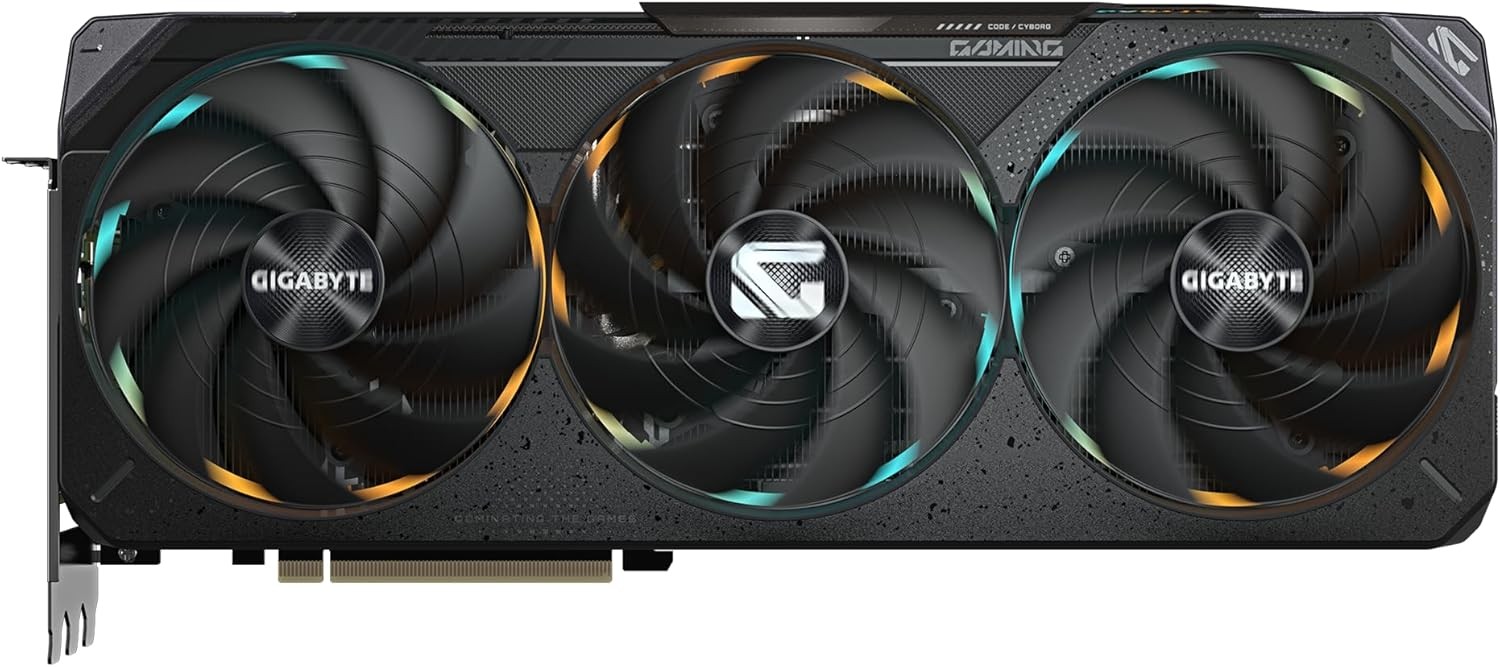
Best for Enthusiasts seeking faster memory bandwidth and Blackwell architecture
Wins6 / 10
Biggest differences
Shader cores
NVIDIA GeForce RTX 5070 Ti leads
2.19×
higher is better
- AMD Radeon RX 9070 XT4,096 cores
- NVIDIA GeForce RTX 5070 Ti8,960 cores
Memory bandwidth
NVIDIA GeForce RTX 5070 Ti leads
+40%
higher is better
- AMD Radeon RX 9070 XT640 GB/s
- NVIDIA GeForce RTX 5070 Ti896 GB/s
Launch price
AMD Radeon RX 9070 XT leads
−20%
lower is better
- AMD Radeon RX 9070 XT599 USD
- NVIDIA GeForce RTX 5070 Ti749 USD
Memory speed
NVIDIA GeForce RTX 5070 Ti leads
+40%
higher is better
- AMD Radeon RX 9070 XT20 Gbps
- NVIDIA GeForce RTX 5070 Ti28 Gbps
Where each one wins
AMD Radeon RX 9070 XT
- Launch price
- Boost clock
- FP32 compute
- Last-level cache
NVIDIA GeForce RTX 5070 Ti
- Shader cores
- Memory type
- Memory bandwidth
- Memory speed
- Board power
- DisplayPort version
What both have
- Video memory16 GB
- Memory bus width256 bit
- Recommended PSU750 W
- PCIe version5.0
- PCIe lanes16 lanes
- HDMI version2.1b
- HDMI outputs1 ports
- DisplayPort outputs3 ports
- Hardware encodeH.264, HEVC, AV1
Every spec
Red marks the better value in each row.
| Spec | AMD Radeon RX 9070 XT | NVIDIA GeForce RTX 5070 Ti |
|---|---|---|
| Overview | ||
| Release date | 2025-03 | 2025-02 |
| Launch price | 599 USD1 | 749 USD2 |
| Graphics chip | ||
| Architecture | Rdna 4 | Blackwell |
| Shader cores | 4,096 cores | 8,960 cores |
| Boost clock | 2,970 MHz3 | 2,452 MHz |
| Base clock | Not published | 2,300 MHz |
| FP32 compute | 48.7 TFLOPS | 43.9 TFLOPS |
| Memory | ||
| Video memory | 16 GB | 16 GB |
| Memory type | Gddr6 | Gddr7 |
| Memory bus width | 256 bit | 256 bit |
| Memory bandwidth | 640 GB/s | 896 GB/s |
| Memory speed | 20 Gbps | 28 Gbps |
| Last-level cache | 64 MB | 48 MB |
| Power | ||
| Board power | 304 W | 300 W |
| Recommended PSU | 750 W | 750 W |
| Power connectors | 8-pin4 | 12V-2x65 |
| Interface | ||
| PCIe version | 5.0 | 5.0 |
| PCIe lanes | 16 lanes | 16 lanes |
| Display outputs | ||
| HDMI version | 2.1b | 2.1b |
| DisplayPort version | 2.1a6 | 2.1b7 |
| HDMI outputs | 1 ports | 1 ports |
| DisplayPort outputs | 3 ports | 3 ports |
| Max displays | Not published | 4 displays |
| Video engine | ||
| Hardware encode | H.264, HEVC, AV1 | H.264, HEVC, AV1 |
| Video encoders | Not published | 2 encoders |
| Size | ||
| Card length | Not published | Not published |
| Card height | Not published | Not published |
| Slot width | Not published | Not published |
Notes on 7 values — test conditions and caveats
- 1AMD Radeon RX 9070 XT, Launch price: TechSpot reports AMD subsidizes this MSRP with a $50 retailer rebate, so street prices often run higher.
- 2NVIDIA GeForce RTX 5070 Ti, Launch price: NVIDIA sells no Founders Edition of this card; $749 is the starting MSRP for partner cards.
- 3AMD Radeon RX 9070 XT, Boost clock: TechSpot's 2400 MHz figure is AMD's 'game' clock; the boost rating is 2970 MHz.
- 4AMD Radeon RX 9070 XT, Power connectors: Corsair notes a few partner 90-series cards use 12V-2x6; the vast majority use 2x 8-pin.
- 5NVIDIA GeForce RTX 5070 Ti, Power connectors: One 16-pin 12V-2x6 socket; an adapter for two 8-pin cables comes in the box.
- 6AMD Radeon RX 9070 XT, DisplayPort version: TechPowerUp specifies the DisplayPort outputs as UHBR13.5.
- 7NVIDIA GeForce RTX 5070 Ti, DisplayPort version: DisplayPort 2.1b at the full UHBR20 rate.
Pricing and Value
The Radeon RX 9070 XT undercuts its rival with a launch price of $599, though TechSpot reports that AMD subsidizes this MSRP with a $50 retailer rebate that can make real street prices run higher. Meanwhile, the GeForce RTX 5070 Ti starts at $749 as a baseline for partner cards, since NVIDIA sells no Founders Edition of this hardware.
Choosing the AMD option saves substantial money upfront, but buyers should watch for fluctuating retailer availability tied to those promotional rebates.
Performance and Architecture
The GeForce RTX 5070 Ti relies on the Blackwell architecture and packs 8,960 shader cores, surpassing the Rdna 4 competitor which utilizes 4,096 cores. Despite having fewer cores, the Radeon RX 9070 XT achieves a higher boost clock of 2,970 MHz alongside an FP32 compute output of 48.7 TFLOPS, beating the NVIDIA card's 43.9 TFLOPS.
This gives the AMD card a raw compute advantage in tasks that scale with clock speed and floating-point throughput, while the NVIDIA card relies on its dense core layout.
Memory and Cache
Both cards equip 16 GB of video memory across a 256-bit bus width, but their underlying memory subsystems diverge significantly. The GeForce RTX 5070 Ti adopts Gddr7 memory to deliver a faster speed of 28 Gbps and a higher memory bandwidth of 896 GB/s, whereas the Radeon RX 9070 XT uses Gddr6 at 20 Gbps for 640 GB/s.
To balance this, the Radeon RX 9070 XT includes a larger last-level cache of 64 MB compared to the 48 MB found on the NVIDIA card, helping offset lower raw memory bandwidth in certain workloads.
Power and Connectivity
Power requirements are closely matched, with the Radeon RX 9070 XT drawing 304 W against the 300 W board power of the GeForce RTX 5070 Ti, and both recommend a 750 W power supply. Connectivity differs slightly in display outputs, where the NVIDIA card supports the full UHBR20 rate for DisplayPort 2.1b, while the AMD card features DisplayPort 2.1a running at the UHBR13.5 rate.
For power delivery cables, the NVIDIA card uses a single 12V-2x6 socket with a dual 8-pin adapter included in the box, whereas the AMD card generally relies on two 8-pin connectors though some partner variations utilize 12V-2x6.
The Verdict
Buy the AMD Radeon RX 9070 XT if you want higher raw compute and a larger cache for a lower base price. Buy the GeForce RTX 5070 Ti if you prioritize faster Gddr7 memory bandwidth and advanced DisplayPort 2.1b output rates.
Where to buy
AMD Radeon RX 9070 XT
Best for Value-focused builders wanting strong raw compute and a generous cache
NVIDIA GeForce RTX 5070 Ti
Best for Enthusiasts seeking faster memory bandwidth and Blackwell architecture
FAQ
Do these graphics cards support hardware-accelerated AV1 encoding?
Yes, both the Radeon RX 9070 XT and the GeForce RTX 5070 Ti feature hardware encode support for H.264, HEVC, and AV1.
What PCIe version do they require?
Both graphics cards utilize a PCIe 5.0 interface with 16 lanes.
How many displays can you connect to them?
The GeForce RTX 5070 Ti supports up to 4 displays via its 3 DisplayPort outputs and 1 HDMI port, while the exact maximum display count for the Radeon RX 9070 XT is not published by the manufacturer.
Spotted something wrong? Tap the next to any section or spec group to let us know. Every report is read.


