
Compare · 2 products compared
NVIDIA GeForce RTX 5060vsNVIDIA GeForce RTX 5070 Ti: Spec Comparison
Both the NVIDIA GeForce RTX 5060 and the NVIDIA GeForce RTX 5070 Ti are built on the Blackwell architecture and feature GDDR7 memory. However, they target vastly different budgets and performance tiers, driven by stark gaps in shader cores, memory bus width, and power consumption.
eBay prices refresh hourly — check the listing before you buy. We may earn a commission.
- NVIDIAGeForce RTX 5060
Best for Budget-conscious builders seeking lower power draw
Wins4 / 12 - MOST WINS
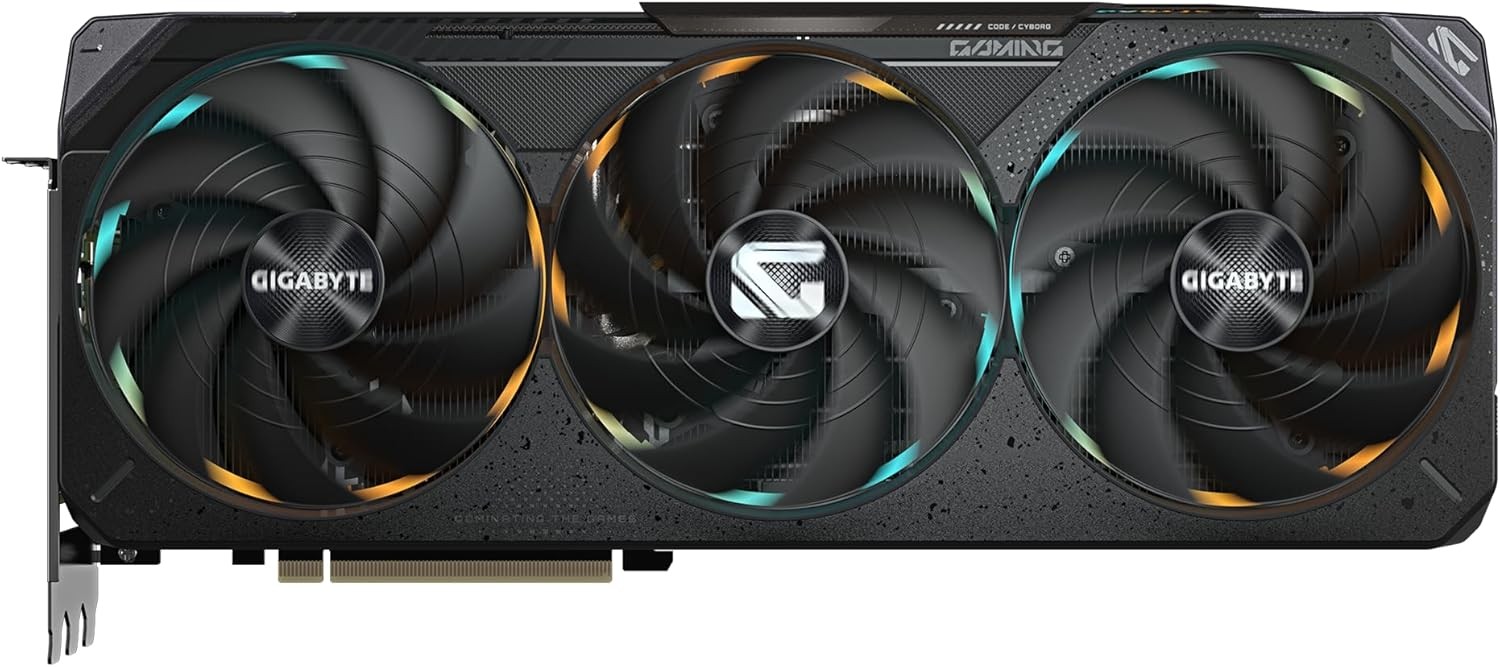 Wins8 / 12
Biggest differences
Launch price
NVIDIA GeForce RTX 5060 leads
2.51×
lower is better
- NVIDIA GeForce RTX 5060299 USD
- NVIDIA GeForce RTX 5070 Ti749 USD
Shader cores
NVIDIA GeForce RTX 5070 Ti leads
2.33×
higher is better
- NVIDIA GeForce RTX 50603,840 cores
- NVIDIA GeForce RTX 5070 Ti8,960 cores
Board power
NVIDIA GeForce RTX 5060 leads
2.07×
lower is better
- NVIDIA GeForce RTX 5060145 W
- NVIDIA GeForce RTX 5070 Ti300 W
Video memory
NVIDIA GeForce RTX 5070 Ti leads
2×
higher is better
- NVIDIA GeForce RTX 50608 GB
- NVIDIA GeForce RTX 5070 Ti16 GB
Where each one wins
NVIDIA GeForce RTX 5060
- Launch price
- Boost clock
- Board power
- Recommended PSU
NVIDIA GeForce RTX 5070 Ti
- Shader cores
- Base clock
- FP32 compute
- Video memory
- Memory bus width
- Memory bandwidth
- PCIe lanes
- Video encoders
What both have
- ArchitectureBlackwell
- Memory typeGddr7
- Memory speed28 Gbps
- PCIe version5.0
- HDMI version2.1b
- DisplayPort version2.1b
- HDMI outputs1 ports
- DisplayPort outputs3 ports
- Max displays4 displays
Every spec
Red marks the better value in each row.
| Spec | NVIDIA GeForce RTX 5060 | NVIDIA GeForce RTX 5070 Ti |
|---|---|---|
| Overview | ||
| Release date | 2025-05 | 2025-02 |
| Launch price | 299 USD | 749 USD1 |
| Graphics chip | ||
| Architecture | Blackwell | Blackwell |
| Shader cores | 3,840 cores | 8,960 cores |
| Boost clock | 2,500 MHz | 2,452 MHz |
| Base clock | 2,280 MHz | 2,300 MHz |
| FP32 compute | 19.2 TFLOPS | 43.9 TFLOPS |
| Memory | ||
| Video memory | 8 GB | 16 GB |
| Memory type | Gddr7 | Gddr7 |
| Memory bus width | 128 bit | 256 bit |
| Memory bandwidth | 448 GB/s | 896 GB/s |
| Memory speed | 28 Gbps | 28 Gbps |
| Last-level cache | Not published | 48 MB |
| Power | ||
| Board power | 145 W | 300 W |
| Recommended PSU | 550 W2 | 750 W |
| Power connectors | 8-pin3 | 12V-2x64 |
| Interface | ||
| PCIe version | 5.0 | 5.0 |
| PCIe lanes | 8 lanes | 16 lanes |
| Display outputs | ||
| HDMI version | 2.1b | 2.1b |
| DisplayPort version | 2.1b5 | 2.1b6 |
| HDMI outputs | 1 ports | 1 ports |
| DisplayPort outputs | 3 ports | 3 ports |
| Max displays | 4 displays | 4 displays |
| Video engine | ||
| Hardware encode | AV1 | H.264, HEVC, AV1 |
| Video encoders | 1 encoders | 2 encoders |
| Size | ||
| Card length | Not published | Not published |
| Card height | Not published | Not published |
| Slot width | Not published | Not published |
Notes on 6 values — test conditions and caveats
- 1NVIDIA GeForce RTX 5070 Ti, Launch price: NVIDIA sells no Founders Edition of this card; $749 is the starting MSRP for partner cards.
- 2NVIDIA GeForce RTX 5060, Recommended PSU: NVIDIA's 550 W minimum assumes a PC with a Ryzen 9 9950X; power needs vary by system configuration.
- 3NVIDIA GeForce RTX 5060, Power connectors: The card takes one 8-pin; a 300 W or greater Gen 5 (16-pin) PSU cable can be used with the in-box adapter.
- 4NVIDIA GeForce RTX 5070 Ti, Power connectors: One 16-pin 12V-2x6 socket; an adapter for two 8-pin cables comes in the box.
- 5NVIDIA GeForce RTX 5060, DisplayPort version: DisplayPort 2.1b outputs run at the UHBR20 link rate per NVIDIA's footnote.
- 6NVIDIA GeForce RTX 5070 Ti, DisplayPort version: DisplayPort 2.1b at the full UHBR20 rate.
Performance and Compute
The RTX 5070 Ti brings significantly more rendering muscle to your system, utilizing 8,960 shader cores and delivering 43.9 TFLOPS of FP32 compute. By comparison, the RTX 5060 relies on 3,840 cores and yields 19.2 TFLOPS.
While the RTX 5060 edges ahead slightly on boost clock speed at 2,500 MHz compared to 2,452 MHz, the sheer core count advantage makes the RTX 5070 Ti the clear winner for heavy computational workloads and high-end gaming.
Memory and Bandwidth
Memory architecture separates these two cards into distinct classes. The RTX 5070 Ti features 16 GB of video memory on a 256-bit bus, generating an 896 GB/s memory bandwidth alongside a 48 MB last-level cache.
The RTX 5060 equips 8 GB of video memory on a narrower 128-bit bus, translating to a 448 GB/s memory bandwidth. Both cards run at 28 Gbps, but the higher capacity and wider bus on the 5070 Ti handle demanding textures and high-resolution assets much more effectively.
Power and System Requirements
Efficiency favors the RTX 5060, which operates at a board power of 145 W and requires a modest 550 W power supply. It uses a single 8-pin connector, though a Gen 5 16-pin cable works via an included adapter.
The RTX 5070 Ti demands a much beefier setup with a 300 W board power and a 750 W recommended PSU. It connects via a 12V-2x6 socket, coming bundled with an adapter for two traditional 8-pin cables.
Connectivity and Video Engine
Both GPUs support PCIe 5.0 and feature HDMI 2.1b alongside DisplayPort 2.1b outputs running at the UHBR20 link rate, supporting up to four total displays. The RTX 5060 features 8 PCIe lanes and a single AV1 hardware encoder.
Stepping up to the RTX 5070 Ti grants you 16 PCIe lanes and dual video encoders with support for H.264, HEVC, and AV1. This gives the heavier card an edge in multi-stream video export workflows and maximum peripheral bandwidth.
The Verdict
Buy the RTX 5060 if you need an affordable, energy-efficient card that keeps system power requirements low. Buy the RTX 5070 Ti if your workflow demands top-tier compute performance, generous video memory, and higher bandwidth.
Where to buy
NVIDIA GeForce RTX 5060
Best for Budget-conscious builders seeking lower power draw
NVIDIA GeForce RTX 5070 Ti
FAQ
What are the launch prices for these graphics cards?
The RTX 5060 launches at an MSRP of $299, while partner cards for the RTX 5070 Ti start at an MSRP of $749.
Do both cards support the same PCIe generation?
Yes, both cards operate on PCIe 5.0, though the RTX 5060 runs at 8 lanes while the RTX 5070 Ti runs at 16 lanes.
What power supply do I need for the RTX 5060?
NVIDIA recommends a minimum 550 W power supply for the RTX 5060, assuming a system paired with a Ryzen 9 9950X.
How do their display outputs compare?
Both models include one HDMI 2.1b port, three DisplayPort 2.1b ports running at the UHBR20 link rate, and support for up to four simultaneous displays.
Spotted something wrong? Tap the next to any section or spec group to let us know. Every report is read.


