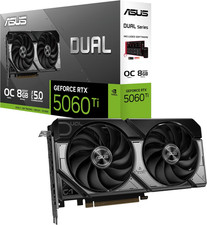
Compare · 4 products compared
NVIDIA GeForce RTX 5060 Ti 8GBvs5070vs5070 Tivs5080
These four graphics cards share the Blackwell architecture and a GDDR7 memory type, varying significantly in core count, memory capacity, and power draw. Deciding between them depends on balancing your budget with your display resolution and power supply limits.
eBay prices refresh hourly — check the listing before you buy. We may earn a commission.
- ×

NVIDIA GeForce RTX 5060 Ti 8GB
Best for Budget-conscious builders with lower power supplies
Wins4 / 16 - ×

Best for Mid-range gaming with a compact 2-slot reference footprint
Wins3 / 16 - ×
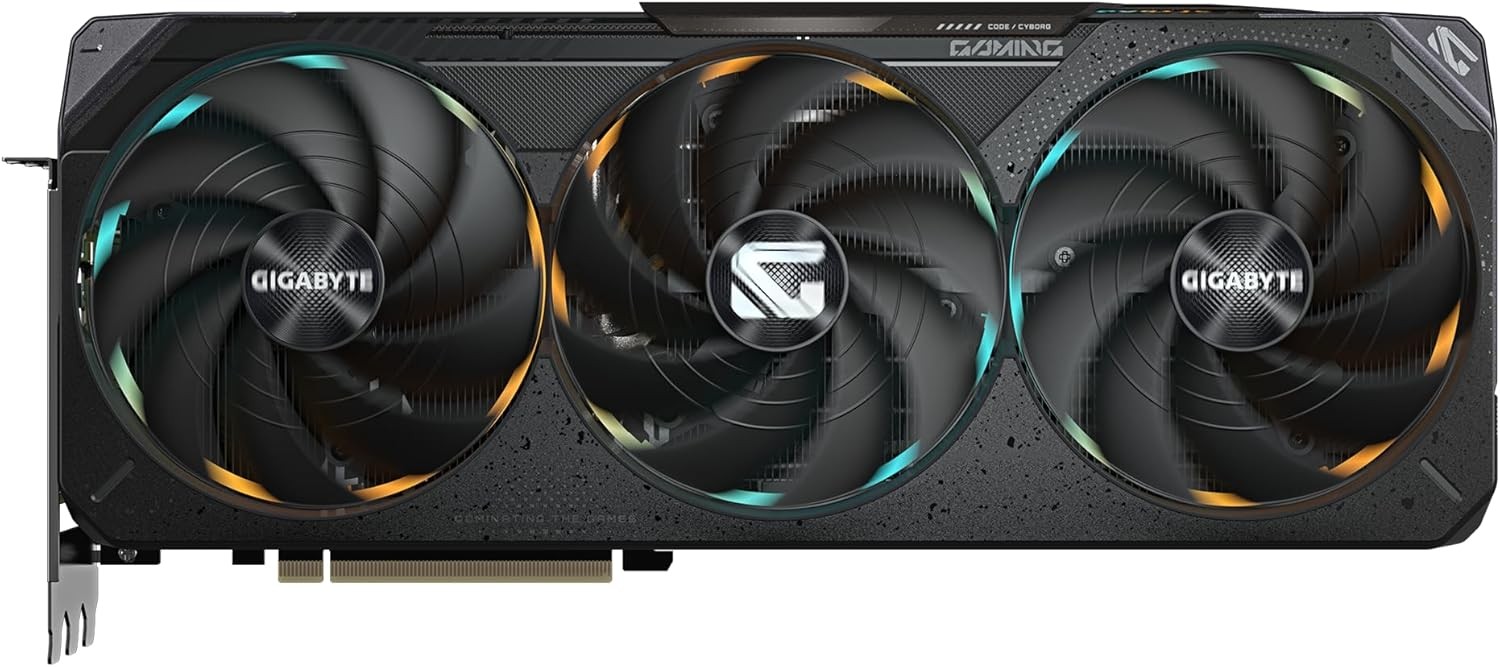
Best for High-end setups needing 16 GB VRAM
Wins4 / 16 - MOST WINS×

Best for Uncompromised performance and maximum memory bandwidth
Wins10 / 16
Biggest differences
Launch price
NVIDIA GeForce RTX 5060 Ti 8GB leads
2.64×
lower is better
- NVIDIA GeForce RTX 5060 Ti 8GB379 USD
- NVIDIA GeForce RTX 5070549 USD
- NVIDIA GeForce RTX 5070 Ti749 USD
- NVIDIA GeForce RTX 5080999 USD
Shader cores
NVIDIA GeForce RTX 5080 leads
2.33×
higher is better
- NVIDIA GeForce RTX 5060 Ti 8GB4,608 cores
- NVIDIA GeForce RTX 50706,144 cores
- NVIDIA GeForce RTX 5070 Ti8,960 cores
- NVIDIA GeForce RTX 508010,752 cores
Memory bandwidth
NVIDIA GeForce RTX 5080 leads
2.14×
higher is better
- NVIDIA GeForce RTX 5060 Ti 8GB448 GB/s
- NVIDIA GeForce RTX 5070672 GB/s
- NVIDIA GeForce RTX 5070 Ti896 GB/s
- NVIDIA GeForce RTX 5080960 GB/s
Video memory
NVIDIA GeForce RTX 5070 Ti & NVIDIA GeForce RTX 5080 tie for the lead
2×
higher is better
- NVIDIA GeForce RTX 5060 Ti 8GB8 GB
- NVIDIA GeForce RTX 507012 GB
- NVIDIA GeForce RTX 5070 Ti16 GB
- NVIDIA GeForce RTX 508016 GB
Where each one wins
NVIDIA GeForce RTX 5060 Ti 8GB
- Launch price
- Base clock
- Board power
- Recommended PSU
NVIDIA GeForce RTX 5070
- PCIe lanes
- Card length
- Card height
NVIDIA GeForce RTX 5070 Ti
- Video memory
- Memory bus width
- PCIe lanes
- Video encoders
NVIDIA GeForce RTX 5080
- Shader cores
- Boost clock
- FP32 compute
- Video memory
- Memory bus width
- Memory bandwidth
- Memory speed
- Last-level cache
- PCIe lanes
- Video encoders
What all 4 have
- ArchitectureBlackwell
- Memory typeGddr7
- PCIe version5.0
- HDMI version2.1b
- DisplayPort version2.1b
- HDMI outputs1 ports
- DisplayPort outputs3 ports
- Max displays4 displays
- Hardware encodeH.264, HEVC, AV1
Every spec
Red marks the better value in each row.
Overview
Graphics chip
Architecture
- Blackwell
- Blackwell
- Blackwell
- Blackwell
Shader cores
- 4,608 cores
- 6,144 cores
- 8,960 cores
- 10,752 cores
Boost clock
- 2,572 MHz
- 2,512 MHz
- 2,452 MHz
- 2,620 MHz
Base clock
- 2,407 MHz
- 2,330 MHz
- 2,300 MHz
- 2,300 MHz
FP32 compute
- 23.7 TFLOPS
- 30.9 TFLOPS
- 43.9 TFLOPS
- 56.3 TFLOPS
Memory
Video memory
- 8 GB
- 12 GB
- 16 GB
- 16 GB
Memory type
- Gddr7
- Gddr7
- Gddr7
- Gddr7
Memory bus width
- 128 bit
- 192 bit
- 256 bit
- 256 bit
Memory bandwidth
- 448 GB/s
- 672 GB/s
- 896 GB/s
- 960 GB/s
Memory speed
- 28 Gbps
- 28 Gbps
- 28 Gbps
- 30 Gbps
Last-level cache
- 32 MB
- 48 MB
- 48 MB
- 64 MB
Power
Interface
PCIe version
- 5.0
- 5.0
- 5.0
- 5.0
PCIe lanes
- 8 lanes8
- 16 lanes
- 16 lanes
- 16 lanes
Display outputs
Video engine
Hardware encode
- H.264, HEVC, AV1
- H.264, HEVC, AV1
- H.264, HEVC, AV1
- H.264, HEVC, AV1
Video encoders
- 1 encoders
- 1 encoders
- 2 encoders
- 2 encoders
Size
Card length
- Not published
- 242 mm
- Not published
- 304 mm
Card height
- Not published
- 112 mm
- Not published
- 137 mm
Slot width
- Not published
- 2 slots
- Not published
- 2 slots13
Notes on 13 values — test conditions and caveats
- 1NVIDIA GeForce RTX 5060 Ti 8GB, Launch price: NVIDIA sells no Founders Edition of this card; $379 is the starting MSRP for partner cards.
- 2NVIDIA GeForce RTX 5070 Ti, Launch price: NVIDIA sells no Founders Edition of this card; $749 is the starting MSRP for partner cards.
- 3NVIDIA GeForce RTX 5070, Recommended PSU: NVIDIA's minimum for a PC with a Ryzen 9 9950X; other systems may need a different PSU.
- 4NVIDIA GeForce RTX 5080, Recommended PSU: NVIDIA's minimum for a PC with a Ryzen 9 9950X; it recommends a PCIe CEM 5.1 compliant PSU.
- 5NVIDIA GeForce RTX 5060 Ti 8GB, Power connectors: No Founders Edition exists; most partner cards use one 8-pin socket, a few use a 16-pin 12V-2x6 instead.
- 6NVIDIA GeForce RTX 5070, Power connectors: One 16-pin 12V-2x6 socket; an adapter for two 8-pin cables comes in the box.
- 7NVIDIA GeForce RTX 5070 Ti, Power connectors: One 16-pin 12V-2x6 socket; an adapter for two 8-pin cables comes in the box.
- 8NVIDIA GeForce RTX 5060 Ti 8GB, PCIe lanes: Only 8 lanes: on a PCIe 4.0 or 3.0 board it gets half or a quarter of the PCIe 5.0 bandwidth.
- 9NVIDIA GeForce RTX 5060 Ti 8GB, DisplayPort version: DisplayPort 2.1b at the full UHBR20 rate.
- 10NVIDIA GeForce RTX 5070, DisplayPort version: DisplayPort 2.1b at the full UHBR20 rate.
- 11NVIDIA GeForce RTX 5070 Ti, DisplayPort version: DisplayPort 2.1b at the full UHBR20 rate.
- 12NVIDIA GeForce RTX 5080, DisplayPort version: DisplayPort 2.1b at UHBR20 on all three DP outputs.
- 13NVIDIA GeForce RTX 5080, Slot width: The card is 2-slot (40 mm thick), but NVIDIA's install guide asks for 3-slot (61 mm) case clearance.
Performance and Compute
The NVIDIA GeForce RTX 5080 leads raw compute capabilities with 10,752 shader cores and 56.3 TFLOPS of FP32 compute. Stepping down through the NVIDIA GeForce RTX 5070 Ti at 43.9 TFLOPS and the NVIDIA GeForce RTX 5070 at 30.9 TFLOPS scales down performance for mid-tier gaming.
The NVIDIA GeForce RTX 5060 Ti 8GB anchors the entry tier with 23.7 TFLOPS. Choosing a higher tier directly increases rendering speed and frame rates in demanding titles.
Memory and Bandwidth
VRAM capacity and bus width dictate high-resolution texture handling. The RTX 5080 and RTX 5070 Ti both provide 16 GB of video memory over a 256-bit bus width, reaching 960 GB/s and 896 GB/s of memory bandwidth respectively.
The RTX 5070 steps down to 12 GB over a 192-bit bus, while the RTX 5060 Ti 8GB offers 8 GB over a narrow 128-bit bus with 448 GB/s bandwidth. On older PCIe 3.0 or 4.0 boards, the 8 lanes on the RTX 5060 Ti 8GB can further restrict bandwidth once VRAM overflows.
Power and System Requirements
Power demands scale steeply with performance across the lineup. The RTX 5060 Ti 8GB draws 180 W and requires a modest 600 W power supply, using an 8-pin connector on most partner cards.
The RTX 5080 requires a much larger 850 W power supply to sustain its 360 W board power. The RTX 5070 and RTX 5070 Ti sit in between at 250 W and 300 W, both utilizing a 12V-2x6 power connector.
Size and Physical Fit
Physical dimensions vary based on cooling requirements and whether a Founders Edition exists. The RTX 5070 measures 242 mm long by 112 mm high, fitting comfortably into a 2-slot footprint.
The RTX 5080 stretches to 304 mm long and 137 mm high, requiring a 2-slot width but asking for 3-slot case clearance. Dimensions for the RTX 5060 Ti 8GB and RTX 5070 Ti depend entirely on partner card designs.
The Verdict
Buy the NVIDIA GeForce RTX 5060 Ti 8GB if you need a budget entry card with a lower 180 W power draw. Buy the NVIDIA GeForce RTX 5070 if you want a balanced mid-range 12 GB card with a 2-slot reference size. Buy the NVIDIA GeForce RTX 5070 Ti if you want 16 GB of VRAM for heavy workloads without jumping to the top price tier. Buy the NVIDIA GeForce RTX 5080 if you require maximum compute performance and memory speed.
Where to buy
NVIDIA GeForce RTX 5060 Ti 8GB
Best for Budget-conscious builders with lower power supplies
NVIDIA GeForce RTX 5070
Best for Mid-range gaming with a compact 2-slot reference footprint
NVIDIA GeForce RTX 5070 Ti
Best for High-end setups needing 16 GB VRAM
NVIDIA GeForce RTX 5080
Best for Uncompromised performance and maximum memory bandwidth
FAQ
What power supply do I need for the RTX 5080?
NVIDIA recommends an 850 W minimum power supply for a system with a Ryzen 9 9950X, utilizing a PCIe CEM 5.1 compliant PSU.
Do these graphics cards support AV1 hardware encoding?
Yes, all four models feature hardware encoding support for H.264, HEVC, and AV1.
How many displays can I connect simultaneously?
Each card supports a maximum of 4 displays across 3 DisplayPort outputs and 1 HDMI port.
What is the memory speed of the RTX 5080 compared to the others?
The RTX 5080 runs at 30 Gbps memory speed with a 64 MB last-level cache, while the other three models run at 28 Gbps.
Spotted something wrong? Tap the next to any section or spec group to let us know. Every report is read.