Compare · 3 of 4 products
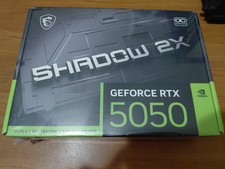
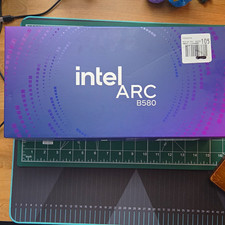
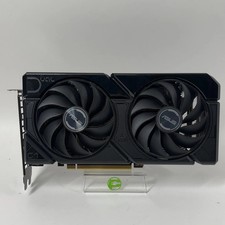
NVIDIA GeForce RTX 5050vsIntel Arc B580vsNVIDIA GeForce RTX 4070 Super
eBay prices refresh hourly — check the listing before you buy. We may earn a commission.

Biggest differences
Shader cores
NVIDIA GeForce RTX 4070 Super leads
2.8×
higher is better
- NVIDIA GeForce RTX 50502,560 cores
- Intel Arc B5802,560 cores
- NVIDIA GeForce RTX 4070 Super7,168 cores
Launch price
NVIDIA GeForce RTX 5050 & Intel Arc B580 tie for the lead
2.41×
lower is better
- NVIDIA GeForce RTX 5050249 USD
- Intel Arc B580249 USD
- NVIDIA GeForce RTX 4070 Super599 USD
PCIe lanes
NVIDIA GeForce RTX 4070 Super leads
2×
higher is better
- NVIDIA GeForce RTX 50508 lanes
- Intel Arc B5808 lanes
- NVIDIA GeForce RTX 4070 Super16 lanes
FP32 compute
NVIDIA GeForce RTX 4070 Super leads
2.69×
higher is better
- NVIDIA GeForce RTX 505013.2 TFLOPS
- Intel Arc B580Not published
- NVIDIA GeForce RTX 4070 Super35.5 TFLOPS
Where each one wins
NVIDIA GeForce RTX 5050
- Launch price
- Base clock
- Board power
- Recommended PSU
- PCIe version
- HDMI version
- DisplayPort version
Intel Arc B580
- Launch price
- Boost clock
- Video memory
- Memory bus width
- Video encoders
NVIDIA GeForce RTX 4070 Super
- Shader cores
- FP32 compute
- Video memory
- Memory type
- Memory bus width
- Memory bandwidth
- Memory speed
- Last-level cache
- PCIe lanes
What all 3 have
- HDMI outputs1 ports
- DisplayPort outputs3 ports
- Max displays4 displays
Every spec
Red marks the better value in each row.
Overview
Release date
- 2025-07
- 2024-12
- 2024-01
Launch price
- 249 USD
- 249 USD
- 599 USD
Graphics chip
Architecture
- Blackwell
- Xe2
- Ada lovelace
Shader cores
- 2,560 cores
- 2,560 cores
- 7,168 cores
Boost clock
- 2,570 MHz
- 2,670 MHz
- 2,475 MHz
Base clock
- 2,310 MHz
- Not published
- 1,980 MHz
FP32 compute
- 13.2 TFLOPS
- Not published
- 35.5 TFLOPS
Memory
Video memory
- 8 GB
- 12 GB
- 12 GB
Memory type
- Gddr6
- Gddr6
- Gddr6x
Memory bus width
- 128 bit
- 192 bit
- 192 bit
Memory bandwidth
- 320 GB/s
- 456 GB/s
- 504 GB/s
Memory speed
- 20 Gbps
- 19 Gbps
- 21 Gbps
Last-level cache
- Not published
- 18 MB
- 48 MB
Power
Interface
PCIe version
- 5.0
- 4.0
- 4.0
PCIe lanes
- 8 lanes
- 8 lanes
- 16 lanes
Display outputs
Video engine
Hardware encode
- AV1
- H.264, HEVC, AV16
- AV1
Video encoders
- 1 encoders
- 2 encoders
- Not published
Size
Card length
- Not published
- 272 mm
- Not published
Card height
- Not published
- 115 mm7
- Not published
Slot width
- Not published
- 2 slots
- Not published
Notes on 7 values — test conditions and caveats
- 1NVIDIA GeForce RTX 5050, Recommended PSU: NVIDIA's 550 W minimum assumes a Ryzen 9 9950X system; requirements vary with your configuration.
- 2NVIDIA GeForce RTX 5050, Power connectors: Native input is one 8-pin; NVIDIA's 300 W+ PCIe Gen 5 PSU-cable option works via the in-box adapter.
- 3NVIDIA GeForce RTX 4070 Super, Power connectors: Nvidia's 16-pin header is the 12V-2x6 variant; an adapter cable for non-ATX 3.0 power supplies ships with the card.
- 4NVIDIA GeForce RTX 5050, DisplayPort version: NVIDIA specifies UHBR20 on these DisplayPort 2.1b outputs.
- 5Intel Arc B580, DisplayPort version: Intel rates the DisplayPort outputs at DP 2.1 up to UHBR 13.5 (second output listed at UHBR 10).
- 6Intel Arc B580, Hardware encode: Intel's spec table also lists H.264 and H.265 (HEVC) hardware encode as Yes.
- 7Intel Arc B580, Card height: Intel publishes this dimension as the card's 'Width' (115 mm) alongside the 272 mm length.
Where to buy
NVIDIA GeForce RTX 5050
Intel Arc B580
NVIDIA GeForce RTX 4070 Super