Compare · 4 of 4 products
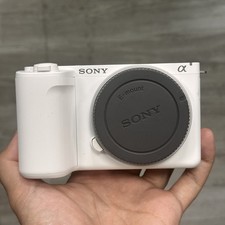
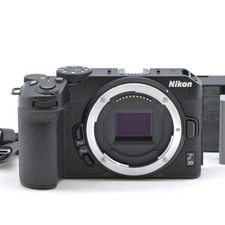
Sony ZV-E10 IIvsFujifilm X100VIvsNikon Z 30vsSony a6700
eBay prices refresh hourly — check the listing before you buy. We may earn a commission.
- MOST WINS×
 Sony9of 19 specs better
 - ×Fujifilm6of 19 specs better
- ×Nikon3of 19 specs better
- ×Sony5of 19 specs better
Biggest differences
Native ISO maximum
Nikon Z 30 leads
4×
higher is better
- Sony ZV-E10 II32,000 ISO
- Fujifilm X100VI12,800 ISO
- Nikon Z 3051,200 ISO
- Sony a670032,000 ISO
4K max frame rate
Sony a6700 leads
4×
higher is better
- Sony ZV-E10 II60 fps
- Fujifilm X100VI59.94 fps
- Nikon Z 3030 fps
- Sony a6700120 fps
Effective pixels
Fujifilm X100VI leads
+92%
higher is better
- Sony ZV-E10 II26 MP
- Fujifilm X100VI40.2 MP
- Nikon Z 3020.9 MP
- Sony a670026 MP
Battery life
Sony ZV-E10 II leads
+91%
higher is better
- Sony ZV-E10 II610 shots
- Fujifilm X100VI320 shots
- Nikon Z 30330 shots
- Sony a6700570 shots
Features not all of them have
Headphone port
- ✓
- ✕
- ?
- ✓
Where each one wins
Sony ZV-E10 II
- Max mechanical shutter speed
- 4K max frame rate (full width)
- Screen articulation
- Battery life
- Weight
- Width
- Height
- Depth
- Headphone port
Fujifilm X100VI
- Effective pixels
- In-body image stabilization
- Continuous shooting (electronic)
- Max video resolution
- Viewfinder resolution
- Rear screen resolution
Nikon Z 30
- Native ISO maximum
- Screen articulation
- HDMI port type
Sony a6700
- 4K max frame rate
- 4K max frame rate (full width)
- Viewfinder magnification
- Screen articulation
- Headphone port
What all 4 have
- Sensor formatAPS-C
- Sensor typeCMOS
- Screen size3 in
- Memory card slots1 slots
- USB charging & power delivery✓
- Minimum operating temperature0 °C
Every spec
Red marks the better value in each row.
Overview
Release date
- 2024-07
- Not published
- Not published
- Not published
Launch price
- 999 USD
- Not published
- Not published
- Not published
Lens mount
- Sony E
- Fixed lens
- Nikon Z
- Sony E
High resolution pixel-shift mode
- No
- —
- Not published
- No
Sensor & Image
Effective pixels
- 26 MP
- 40.2 MP
- 20.9 MP
- 26 MP
Sensor format
- APS-C
- APS-C
- APS-C1
- APS-C
Native ISO maximum
- 32,000 ISO
- 12,800 ISO
- 51,200 ISO2
- 32,000 ISO
In-body image stabilization
- Not published
- 6 stops3
- Not published
- 5 stops
Sensor readout speed
- Not published
- Not published
- Not published
- Not published
Sensor type
- CMOS
- CMOS
- CMOS
- CMOS
Aspect ratios
- Not published
- 3:2, 4:3, 1:1, 16:9
- 3:2, 1:1, 16:94
- Not published
Lens & Autofocus
Continuous shooting (mechanical)
- Not published
- 11 fps
- 11 fps5
- 11 fps
Continuous shooting (electronic)
- 11 fps
- 13 fps
- Not published
- 11 fps
Max mechanical shutter speed
- 8,000 1/s
- 4,000 1/s
- 4,000 1/s
- 4,000 1/s
Pre-burst capture duration
- Not published
- 0 s6
- Not published
- Not published
AF subject detection
- Human, animal, bird
- Human, animal, bird, car, train, airplane, motorcycle
- —
- Human, animal, bird, insect, car, train, airplane
Video
Max video resolution
- 4K
- 6K
- 4K
- 4K
4K max frame rate
- 60 fps
- 59.94 fps
- 30 fps
- 120 fps
Video codecs
- H.264, HEVC
- H.264, HEVC
- H.264
- H.264, HEVC
4K max frame rate (full width)
- 60 fps
- —
- 30 fps
- 60 fps7
Raw video recording
- None
- —
- Not published
- None
Video bit depth
- 10 bit
- 10 bit
- Not published
- 10 bit
Log profile support
- Yes
- Yes
- Not published
- Yes
Video dynamic range (log)
- Not published
- Not published
- Not published
- 14 stops
Viewfinder & Screen
Viewfinder resolution
- 0 M dots
- 3.69 M dots
- 0 M dots8
- 2.36 M dots
Viewfinder magnification
- Not published
- 0.66 x
- Not published
- 0.7 x
Screen size
- 3 in
- 3 in
- 3 in
- 3 in
Screen articulation
- Fully articulated
- Tilting
- Fully articulated
- Fully articulated
Rear screen resolution
- 1.037 M dots
- 1.62 M dots
- 1.04 M dots
- 1.04 M dots
Handling & Power
Battery life
- 610 shots
- 320 shots
- 330 shots9
- 570 shots
Memory card slots
- 1 slots
- 1 slots
- 1 slots
- 1 slots
Weather sealing
- Not published
- None10
- Not published
- Not published
Weight
- 377 g
- 521 g
- 405 g
- 493 g
Width
- 114.8 mm
- 128 mm
- 128 mm
- 122 mm
Height
- 67.5 mm
- 74.8 mm
- 73.5 mm
- 69 mm
Depth
- 54.2 mm
- 55.3 mm
- 59.5 mm
- 75.1 mm
USB charging & power delivery
- Yes
- Yes
- Yes11
- Yes
Minimum operating temperature
- 0 °C
- 0 °C
- 0 °C
- 0 °C
Headphone port
- Yes
- No
- Not published
- Yes
HDMI port type
- Micro
- Micro
- Mini
- Micro
Notes on 11 values — test conditions and caveats
- 1Nikon Z 30, Sensor format: DX format is Nikon's name for its APS-C-size sensor (23.5 x 15.7 mm).
- 2Nikon Z 30, Native ISO maximum: Settings above ISO 51200 (102400, 204800) are expanded, not native.
- 3Fujifilm X100VI, In-body image stabilization: 6.0 stops of shake compensation is achieved when using the LCD or EVF.
- 4Nikon Z 30, Aspect ratios: Native DX ratio is 3:2; 1:1 and 16:9 are in-camera crop modes.
- 5Nikon Z 30, Continuous shooting (mechanical): Nikon's in-house measured maximum; the rate is approximate.
- 6Fujifilm X100VI, Pre-burst capture duration: Pre-shot buffers frames while the shutter is half-pressed (e.g., 20 frames at 20fps = 1 second), not a fixed seconds setting.
- 7Sony a6700, 4K max frame rate (full width): Full-width 4K tops out at 60p; 120p 4K uses a crop.
- 8Nikon Z 30, Viewfinder resolution: The Z 30 has no electronic viewfinder; compose on the rear LCD.
- 9Nikon Z 30, Battery life: Figure is for the EN-EL25 battery; shot count differs with EN-EL25a.
- 10Fujifilm X100VI, Weather sealing: The camera body itself isn't weather-sealed; weather resistance requires the optional AR-X100 adapter ring and PRF-49 filter.
- 11Nikon Z 30, USB charging & power delivery: In-camera USB charging/power needs Nikon's optional EH-7P or EH-8P adapter.
Where to buy
Sony ZV-E10 II
Fujifilm X100VI
Nikon Z 30
Sony a6700