
Compare · 2 products compared
NVIDIA GeForce RTX 5070 TivsIntel Arc B580
The NVIDIA GeForce RTX 5070 Ti and Intel Arc B580 are desktop graphics cards built for gaming and content creation. They differ dramatically in cost, power consumption, and underlying architecture, dividing them into entirely different market tiers.
eBay prices refresh hourly — check the listing before you buy. We may earn a commission.
- MOST WINS
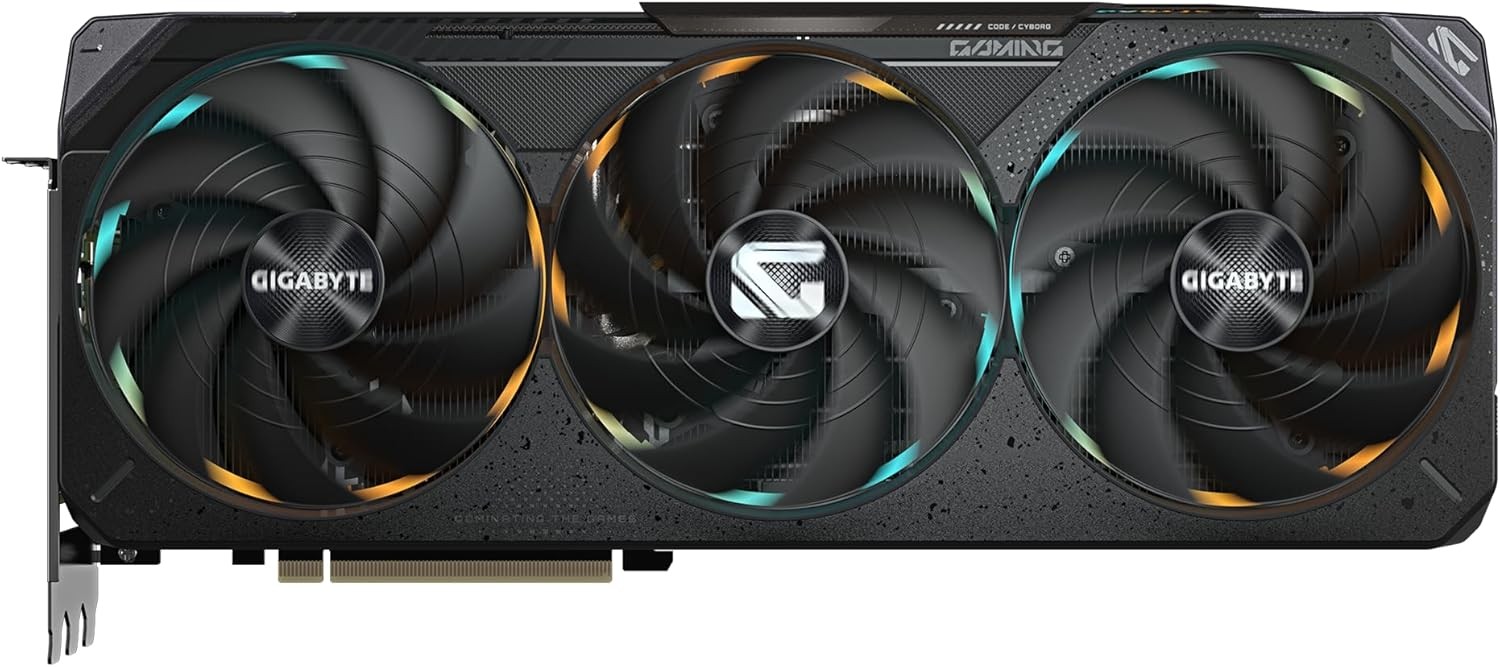
Best for High-end enthusiasts seeking maximum compute and memory bandwidth
Wins11 / 15 
Best for Budget-conscious builders needing modern features at a lower cost
Wins4 / 15
Biggest differences
Shader cores
NVIDIA GeForce RTX 5070 Ti leads
3.5×
higher is better
- NVIDIA GeForce RTX 5070 Ti8,960 cores
- Intel Arc B5802,560 cores
Launch price
Intel Arc B580 leads
3.01×
lower is better
- NVIDIA GeForce RTX 5070 Ti749 USD
- Intel Arc B580249 USD
PCIe lanes
NVIDIA GeForce RTX 5070 Ti leads
2×
higher is better
- NVIDIA GeForce RTX 5070 Ti16 lanes
- Intel Arc B5808 lanes
Memory bandwidth
NVIDIA GeForce RTX 5070 Ti leads
1.96×
higher is better
- NVIDIA GeForce RTX 5070 Ti896 GB/s
- Intel Arc B580456 GB/s
Where each one wins
NVIDIA GeForce RTX 5070 Ti
- Shader cores
- Video memory
- Memory type
- Memory bus width
- Memory bandwidth
- Memory speed
- Last-level cache
- PCIe version
- PCIe lanes
- HDMI version
- DisplayPort version
Intel Arc B580
- Launch price
- Boost clock
- Board power
- Recommended PSU
What both have
- HDMI outputs1 ports
- DisplayPort outputs3 ports
- Max displays4 displays
- Hardware encodeH.264, HEVC, AV1
- Video encoders2 encoders
Every spec
Red marks the better value in each row.
| Spec | NVIDIA GeForce RTX 5070 Ti | Intel Arc B580 |
|---|---|---|
| Overview | ||
| Release date | 2025-02 | 2024-12 |
| Launch price | 749 USD1 | 249 USD |
| Graphics chip | ||
| Architecture | Blackwell | Xe2 |
| Shader cores | 8,960 cores | 2,560 cores |
| Boost clock | 2,452 MHz | 2,670 MHz |
| Base clock | 2,300 MHz | Not published |
| FP32 compute | 43.9 TFLOPS | Not published |
| Memory | ||
| Video memory | 16 GB | 12 GB |
| Memory type | Gddr7 | Gddr6 |
| Memory bus width | 256 bit | 192 bit |
| Memory bandwidth | 896 GB/s | 456 GB/s |
| Memory speed | 28 Gbps | 19 Gbps |
| Last-level cache | 48 MB | 18 MB |
| Power | ||
| Board power | 300 W | 190 W |
| Recommended PSU | 750 W | 600 W |
| Power connectors | 12V-2x62 | 8-pin |
| Interface | ||
| PCIe version | 5.0 | 4.0 |
| PCIe lanes | 16 lanes | 8 lanes |
| Display outputs | ||
| HDMI version | 2.1b | 2.1 |
| DisplayPort version | 2.1b3 | 2.14 |
| HDMI outputs | 1 ports | 1 ports |
| DisplayPort outputs | 3 ports | 3 ports |
| Max displays | 4 displays | 4 displays |
| Video engine | ||
| Hardware encode | H.264, HEVC, AV1 | H.264, HEVC, AV15 |
| Video encoders | 2 encoders | 2 encoders |
| Size | ||
| Card length | Not published | 272 mm |
| Card height | Not published | 115 mm6 |
| Slot width | Not published | 2 slots |
Notes on 6 values — test conditions and caveats
- 1NVIDIA GeForce RTX 5070 Ti, Launch price: NVIDIA sells no Founders Edition of this card; $749 is the starting MSRP for partner cards.
- 2NVIDIA GeForce RTX 5070 Ti, Power connectors: One 16-pin 12V-2x6 socket; an adapter for two 8-pin cables comes in the box.
- 3NVIDIA GeForce RTX 5070 Ti, DisplayPort version: DisplayPort 2.1b at the full UHBR20 rate.
- 4Intel Arc B580, DisplayPort version: Intel rates the DisplayPort outputs at DP 2.1 up to UHBR 13.5 (second output listed at UHBR 10).
- 5Intel Arc B580, Hardware encode: Intel's spec table also lists H.264 and H.265 (HEVC) hardware encode as Yes.
- 6Intel Arc B580, Card height: Intel publishes this dimension as the card's 'Width' (115 mm) alongside the 272 mm length.
Performance and Architecture
The NVIDIA card runs on the Blackwell architecture featuring 8,960 shader cores, outperforming the Xe2 architecture and 2,560 cores found on the Intel alternative. This core advantage yields higher compute capacity for demanding render tasks and modern games.
Memory and Bandwidth
The RTX 5070 Ti equips 16 GB of GDDR7 memory on a 256-bit bus, achieving a massive 896 GB/s bandwidth. By comparison, the Arc B580 settles for 12 GB of GDDR6 across a 192-bit bus, delivering 456 GB/s, making the NVIDIA option much better suited for high-resolution asset loading.
Power and System Requirements
Operating these GPUs requires significantly different power supplies, with the NVIDIA demanding a 300 W board power and a 750 W recommended PSU using a 12V-2x6 connector. The Intel option draws a modest 190 W, needs only a 600 W PSU, and uses a standard 8-pin connector.
Price and Value
Starting at $749 for partner cards with no Founders Edition, the RTX 5070 Ti targets high-end enthusiasts. Meanwhile, the Arc B580 launches at a budget-friendly $249 recommended customer price, lowering the barrier of entry for mid-tier PC builders.
The Verdict
Buy the NVIDIA GeForce RTX 5070 Ti if you need maximum compute power and uncompromising memory bandwidth for high-end rendering. Buy the Intel Arc B580 if you want an affordable modern GPU that keeps power demands low.
Where to buy
NVIDIA GeForce RTX 5070 Ti
Best for High-end enthusiasts seeking maximum compute and memory bandwidth
Intel Arc B580
Best for Budget-conscious builders needing modern features at a lower cost
FAQ
What power supply do I need for these graphics cards?
The NVIDIA card requires a 750 W power supply, while the Intel card requires a 600 W power supply.
How much video memory does each card have?
The NVIDIA model includes 16 GB of GDDR7 memory, whereas the Intel model offers 12 GB of GDDR6 memory.
What are the launch prices for the RTX 5070 Ti and Arc B580?
The NVIDIA card starts at $749 for partner cards, and the Intel card has a recommended customer price of $249.
Which PCIe version do they support?
The NVIDIA option supports PCIe 5.0 with 16 lanes, while the Intel option supports PCIe 4.0 with 8 lanes.
Spotted something wrong? Tap the next to any section or spec group to let us know. Every report is read.


