Compare · 4 of 4 products
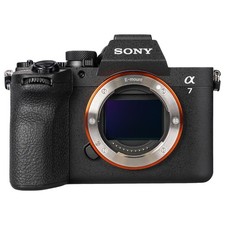
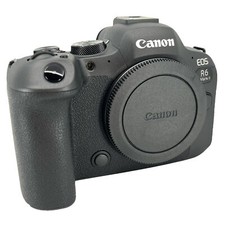
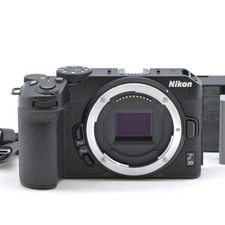
Sony a7 VvsCanon EOS R6 Mark IIvsNikon Z 30vsRicoh GR IV
eBay prices refresh hourly — check the listing before you buy. We may earn a commission.
- MOST WINS×
 Sony16of 27 specs better
 - ×Canon12of 27 specs better
- ×Nikon1of 27 specs better
- ×Ricoh6of 27 specs better
Biggest differences
Battery life
Canon EOS R6 Mark II leads
3.04×
higher is better
- Sony a7 V750 shots
- Canon EOS R6 Mark II760 shots
- Nikon Z 30330 shots
- Ricoh GR IV250 shots
Weight
Ricoh GR IV leads
2.65×
lower is better
- Sony a7 V695 g
- Canon EOS R6 Mark II670 g
- Nikon Z 30405 g
- Ricoh GR IV262 g
Native ISO maximum
Ricoh GR IV leads
4×
higher is better
- Sony a7 V51,200 ISO
- Canon EOS R6 Mark II102,400 ISO
- Nikon Z 3051,200 ISO
- Ricoh GR IV204,800 ISO
Memory card slots
Sony a7 V & Canon EOS R6 Mark II tie for the lead
2×
higher is better
- Sony a7 V2 slots
- Canon EOS R6 Mark II2 slots
- Nikon Z 301 slots
- Ricoh GR IV1 slots
Features not all of them have
Headphone port
- ✓
- ✓
- ?
- ✕
Where each one wins
Sony a7 V
- Effective pixels
- Sensor format
- Sensor type
- Max mechanical shutter speed
- Pre-burst capture duration
- Max video resolution
- 4K max frame rate
- 4K max frame rate (full width)
- Viewfinder resolution
- Viewfinder magnification
- Screen size
- Screen articulation
- Rear screen resolution
- Memory card slots
- Headphone port
- HDMI port type
Canon EOS R6 Mark II
- Sensor format
- In-body image stabilization
- Continuous shooting (mechanical)
- Continuous shooting (electronic)
- Max mechanical shutter speed
- Max video resolution
- 4K max frame rate (full width)
- Raw video recording
- Viewfinder resolution
- Battery life
- Memory card slots
- Headphone port
Nikon Z 30
- Max video resolution
Ricoh GR IV
- Launch price
- Native ISO maximum
- Weight
- Width
- Height
- Depth
What all 4 have
- USB charging & power delivery✓
Every spec
Red marks the better value in each row.
Overview
Sensor & Image
Lens & Autofocus
Continuous shooting (electronic)
- 30 fps16
- 40 fps
- Not published
- Not published
Max mechanical shutter speed
- 8,000 1/s
- 8,000 1/s
- 4,000 1/s
- 4,000 1/s17
Pre-burst capture duration
- 1 s
- 0.5 s18
- Not published
- Not published
AF subject detection
- Human, animal, bird, insect, car, train, airplane
- Human, animal, bird, car, train, airplane, motorcycle
- —
- Human19
Video
Max video resolution
- 4K
- 4K
- 4K
- 1080p
4K max frame rate
- 119.88 fps20
- 60 fps
- 30 fps
- Not published
Video codecs
- H.264, HEVC
- H.264, HEVC21
- H.264
- H.264
4K max frame rate (full width)
- 60 fps22
- 60 fps
- 30 fps
- Not published
Raw video recording
- None
- External23
- Not published
- None
Video bit depth
- 10 bit
- 10 bit24
- Not published
- Not published
Log profile support
- Yes
- Yes
- Not published
- Not published
Video dynamic range (log)
- Not published
- Not published
- Not published
- Not published
Viewfinder & Screen
Handling & Power
Memory card slots
- 2 slots
- 2 slots
- 1 slots
- 1 slots31
Weather sealing
- Dust and drip resistant
- Dust and drip resistant32
- Not published
- Not published
Weight
- 695 g
- 670 g
- 405 g
- 262 g
Width
- 130.3 mm
- 138.4 mm
- 128 mm
- 109.4 mm
Height
- 96.4 mm
- 98.4 mm
- 73.5 mm
- 61.1 mm
Depth
- 72.3 mm33
- 88.4 mm
- 59.5 mm
- 32.7 mm
Minimum operating temperature
- 0 °C
- 0 °C37
- 0 °C
- Not published
Headphone port
- Yes
- Yes
- Not published
- No
HDMI port type
- Full-size
- Micro
- Mini
- None38
Notes on 38 values — test conditions and caveats
- 1Ricoh GR IV, Launch price: Launch MSRP per the review; Ricoh's US store currently lists $1,599.95.
- 2Sony a7 V, High resolution pixel-shift mode: No in-camera pixel shift; Sony's Extended Hi-Res merges burst frames later in its desktop software.
- 3Nikon Z 30, Sensor format: DX format is Nikon's name for its APS-C-size sensor (23.5 x 15.7 mm).
- 4Sony a7 V, Native ISO maximum: Refers to standard still image shooting prior to ISO expansion.
- 5Canon EOS R6 Mark II, Native ISO maximum: ISO 204800 (H) is an expanded setting; the native range tops out at ISO 102400.
- 6Nikon Z 30, Native ISO maximum: Settings above ISO 51200 (102400, 204800) are expanded, not native.
- 7Sony a7 V, In-body image stabilization: Measured at the center with an FE 50mm F1.2 GM lens mounted per CIPA 2024 standards with long exposure NR off.
- 8Canon EOS R6 Mark II, In-body image stabilization: The 8-stop rating combines lens optical IS with in-body IS; results vary by lens.
- 9Ricoh GR IV, In-body image stabilization: Ricoh's 6.0-stop rating applies at frame centre; periphery is rated 4.0 stops (CIPA 2024).
- 10Ricoh GR IV, Sensor type: The sensor is a back-illuminated (BSI) CMOS type; mapped to 'cmos' as no BSI option is listed.
- 11Nikon Z 30, Aspect ratios: Native DX ratio is 3:2; 1:1 and 16:9 are in-camera crop modes.
- 12Ricoh GR IV, Aspect ratios: 3:2 is native to the 23.3 x 15.5 mm sensor; 4:3, 1:1 and 16:9 are in-camera crop modes.
- 13Sony a7 V, Continuous shooting (mechanical): Maximum continuous shooting speed achieved using mechanical shutter in Hi+ mode.
- 14Nikon Z 30, Continuous shooting (mechanical): Nikon's in-house measured maximum; the rate is approximate.
- 15Ricoh GR IV, Continuous shooting (mechanical): The review cites 4 fps continuous without specifying shutter type.
- 16Sony a7 V, Continuous shooting (electronic): Maximum continuous shooting speed achieved using electronic shutter in Hi+ mode.
- 17Ricoh GR IV, Max mechanical shutter speed: 1/4000 s requires F5.6 or a smaller aperture; at F2.8 the limit is 1/2500 s.
- 18Canon EOS R6 Mark II, Pre-burst capture duration: Pre-release capture works in RAW burst mode and buffers up to 0.5s of action before full shutter press.
- 19Ricoh GR IV, AF subject detection: Only face/eye detection is offered; no animal or vehicle subject recognition is listed.
- 20Sony a7 V, 4K max frame rate: Maximum 4K frame rate is available in XAVC HS 4K 4:2:0 10-bit mode.
- 21Canon EOS R6 Mark II, Video codecs: Movies record H.264 by default; H.265/HEVC is used when Canon Log 3 or HDR PQ is enabled.
- 22Sony a7 V, 4K max frame rate (full width): 4K 120p needs an APS-C/Super 35 crop; the full sensor width tops out at 4K 60p.
- 23Canon EOS R6 Mark II, Raw video recording: 6K ProRes RAW requires an external Atomos Ninja V+ recorder connected over HDMI.
- 24Canon EOS R6 Mark II, Video bit depth: Standard profiles record 8-bit 4:2:0; 10-bit 4:2:2 requires Canon Log 3 or HDR PQ.
- 25Nikon Z 30, Viewfinder resolution: The Z 30 has no electronic viewfinder; compose on the rear LCD.
- 26Sony a7 V, Viewfinder magnification: Measured with a 50mm lens focused at infinity at -1 m⁻¹.
- 27Sony a7 V, Battery life: Measured using the LCD monitor under standard CIPA test conditions.
- 28Canon EOS R6 Mark II, Battery life: 760 shots is the CIPA power-saving rating with the rear LCD; Canon's smooth-mode rating is 580 shots.
- 29Nikon Z 30, Battery life: Figure is for the EN-EL25 battery; shot count differs with EN-EL25a.
- 30Ricoh GR IV, Battery life: CIPA-rated at 23°C with a fully charged DB-120 battery.
- 31Ricoh GR IV, Memory card slots: Single microSD slot, plus 53 GB internal memory that cannot record to both at once.
- 32Canon EOS R6 Mark II, Weather sealing: Sealed dust- and water-resistant build, not IP-rated; Canon cautions ingress cannot be fully prevented.
- 33Sony a7 V, Depth: Overall maximum depth including the viewfinder eyepiece is 82.4 mm.
- 34Canon EOS R6 Mark II, USB charging & power delivery: In-body USB charging and power supply require Canon's optional PD-E1 USB power adapter.
- 35Nikon Z 30, USB charging & power delivery: In-camera USB charging/power needs Nikon's optional EH-7P or EH-8P adapter.
- 36Ricoh GR IV, USB charging & power delivery: Battery charges and camera draws power in-body over USB-C; fast charging needs a USB-PD adapter.
- 37Canon EOS R6 Mark II, Minimum operating temperature: Canon's product manual rates 0–40°C; regional Canon spec sheets list a 2°C minimum.
- 38Ricoh GR IV, HDMI port type: Video output is DisplayPort over USB-C; there is no HDMI connector.
Where to buy
Sony a7 V
Canon EOS R6 Mark II
Nikon Z 30
Ricoh GR IV