Compare · 2 products compared
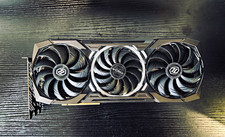
AMD Radeon RX 9070vsAMD Radeon RX 7900 XTX
The AMD Radeon RX 9070 and the AMD Radeon RX 7900 XTX both run on Gddr6 memory and support up to 4 displays. Choosing between them depends on whether you prefer the newer architecture and lower power draw of the RX 9070 or the heavier memory bandwidth and larger VRAM capacity of the RX 7900 XTX.
eBay prices refresh hourly — check the listing before you buy. We may earn a commission.
- MOST WINS

Best for Buyers wanting modern PCIe 5.0 and lower power consumption
Wins7 / 13 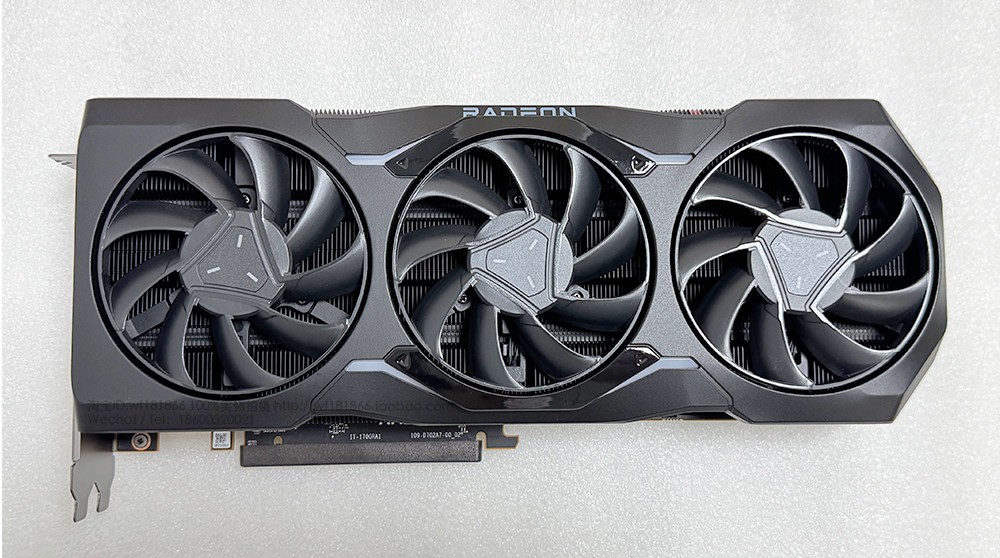
Best for Users requiring massive VRAM and high compute performance
Wins6 / 13
Biggest differences
Launch price
AMD Radeon RX 9070 leads
−45%
lower is better
- AMD Radeon RX 9070549 USD
- AMD Radeon RX 7900 XTX999 USD
Shader cores
AMD Radeon RX 7900 XTX leads
+71%
higher is better
- AMD Radeon RX 90703,584 cores
- AMD Radeon RX 7900 XTX6,144 cores
Board power
AMD Radeon RX 9070 leads
−38%
lower is better
- AMD Radeon RX 9070220 W
- AMD Radeon RX 7900 XTX355 W
Video memory
AMD Radeon RX 7900 XTX leads
+50%
higher is better
- AMD Radeon RX 907016 GB
- AMD Radeon RX 7900 XTX24 GB
Where each one wins
AMD Radeon RX 9070
- Launch price
- Boost clock
- Board power
- Recommended PSU
- PCIe version
- HDMI version
- DisplayPort version
AMD Radeon RX 7900 XTX
- Shader cores
- FP32 compute
- Video memory
- Memory bus width
- Memory bandwidth
- Last-level cache
What both have
- Memory typeGddr6
- Memory speed20 Gbps
- Power connectors8-pin
- PCIe lanes16 lanes
- Max displays4 displays
- Hardware encodeH.264, HEVC, AV1
Every spec
Red marks the better value in each row.
| Spec | AMD Radeon RX 9070 | AMD Radeon RX 7900 XTX |
|---|---|---|
| Overview | ||
| Release date | 2025-03 | 2022-121 |
| Launch price | 549 USD2 | 999 USD3 |
| Graphics chip | ||
| Architecture | Rdna 4 | Rdna 3 |
| Shader cores | 3,584 cores | 6,144 cores |
| Boost clock | 2,520 MHz4 | 2,500 MHz5 |
| Base clock | Not published | Not published |
| FP32 compute | 36.1 TFLOPS | 61.4 TFLOPS |
| Memory | ||
| Video memory | 16 GB | 24 GB |
| Memory type | Gddr6 | Gddr6 |
| Memory bus width | 256 bit | 384 bit |
| Memory bandwidth | 640 GB/s | 960 GB/s6 |
| Memory speed | 20 Gbps | 20 Gbps |
| Last-level cache | 64 MB | 96 MB |
| Power | ||
| Board power | 220 W7 | 355 W |
| Recommended PSU | 650 W | 800 W8 |
| Power connectors | 8-pin9 | 8-pin10 |
| Interface | ||
| PCIe version | 5.0 | 4.0 |
| PCIe lanes | 16 lanes | 16 lanes |
| Display outputs | ||
| HDMI version | 2.1b | 2.1 |
| DisplayPort version | 2.1a11 | 2.112 |
| HDMI outputs | Not published | 1 ports |
| DisplayPort outputs | Not published | 2 ports |
| Max displays | 4 displays | 4 displays |
| Video engine | ||
| Hardware encode | H.264, HEVC, AV1 | H.264, HEVC, AV113 |
| Video encoders | Not published | 2 encoders14 |
| Size | ||
| Card length | Not published | 287 mm |
| Card height | Not published | Not published |
| Slot width | Not published | 2.5 slots |
Notes on 14 values — test conditions and caveats
- 1AMD Radeon RX 7900 XTX, Release date: First retail sale December 13, 2022; announced November 3, 2022.
- 2AMD Radeon RX 9070, Launch price: AMD's $549 starting MSRP at launch; AMD sells no reference card, so partner models may cost more.
- 3AMD Radeon RX 7900 XTX, Launch price: AMD's launch figure is the SEP (suggested e-commerce price); partner cards often sold higher.
- 4AMD Radeon RX 9070, Boost clock: Peak 'up to' boost; AMD's game clock is 2070 MHz for typical gaming.
- 5AMD Radeon RX 7900 XTX, Boost clock: Boost is a burst maximum; typical gaming runs near the 2300 MHz game clock.
- 6AMD Radeon RX 7900 XTX, Memory bandwidth: AMD also quotes 3500 GB/s 'effective' bandwidth with Infinity Cache; 960 GB/s is the raw VRAM figure.
- 7AMD Radeon RX 9070, Board power: Partner overclocked cards can exceed 220 W; IGN measured 249 W peaks on a factory-OC card.
- 8AMD Radeon RX 7900 XTX, Recommended PSU: AMD's 800W minimum assumes a Ryzen 9 5900X-class system; other builds may need more headroom.
- 9AMD Radeon RX 9070, Power connectors: Two 8-pin PCIe power connectors are required (2x 8-pin per AMD and Sapphire).
- 10AMD Radeon RX 7900 XTX, Power connectors: The reference card uses two 8-pin connectors.
- 11AMD Radeon RX 9070, DisplayPort version: Club386 lists the DP 2.1a link rate as UHBR13.5; UHBR20 is not supported.
- 12AMD Radeon RX 7900 XTX, DisplayPort version: DisplayPort 2.1 runs UHBR 13.5, up to 54Gbps of display link bandwidth per AMD.
- 13AMD Radeon RX 7900 XTX, Hardware encode: AMD's spec table marks 4K H264 Encode, H265/HEVC Encode and AV1 Encode all as Yes.
- 14AMD Radeon RX 7900 XTX, Video encoders: AMD describes a Dual Media Engine, i.e. two encode/decode engines, capable of simultaneous 8K60 HEVC streams.
Performance and Architecture
The RX 7900 XTX relies on the Rdna 3 architecture and delivers a higher FP32 compute of 61.4 TFLOPS alongside 6,144 shader cores. By comparison, the newer RX 9070 moves to Rdna 4 and achieves a peak boost clock of 2,520 MHz.
Buyers looking for raw processing horsepower will find the higher compute output of the older flagship hard to ignore. However, the RX 9070 brings an updated generation of architecture to your system.
Memory and Bandwidth
The RX 7900 XTX offers 24 GB of video memory paired with a 384-bit memory bus width. This configuration drives a raw memory bandwidth of 960 GB/s and a 96 MB last-level cache.
The RX 9070 steps down to 16 GB of video memory and a 256-bit bus, delivering 640 GB/s of bandwidth and a 64 MB last-level cache. If your workloads demand heavy memory capacity and maximum bandwidth, the older card holds a clear advantage.
Power and System Requirements
The RX 9070 requires a much lighter board power of 220 W and asks for a modest 650 W recommended PSU. It uses standard 8-pin power connectors.
In contrast, the RX 7900 XTX draws 355 W and demands an 800 W minimum power supply. Choosing the newer card saves you from upgrading your power supply and lowers daily electricity overhead.
Connectivity and Interface
The RX 9070 features a modern PCIe 5.0 interface for faster data transfer speeds with compatible motherboards. It also updates display connectivity with HDMI 2.1b and DisplayPort 2.1a ports.
The RX 7900 XTX uses a PCIe 4.0 interface and includes HDMI 2.1 alongside DisplayPort 2.1 connections. Buyers building on the latest motherboard platforms will benefit from the newer connection standards on the RX 9070.
The Verdict
Buy the RX 9070 if you want a modern PCIe 5.0 interface, lower power consumption, and a lower launch price. Buy the RX 7900 XTX if you need maximum memory capacity, higher compute power, and a wider memory bus.
Where to buy
AMD Radeon RX 9070
Best for Buyers wanting modern PCIe 5.0 and lower power consumption
AMD Radeon RX 7900 XTX
Best for Users requiring massive VRAM and high compute performance
FAQ
What is the difference in video memory between these two graphics cards?
The RX 7900 XTX features 24 GB of video memory, while the RX 9070 comes equipped with 16 GB.
Do both cards support hardware-accelerated AV1 encoding?
Yes, both graphics cards support H.264, HEVC, and AV1 hardware encoding.
What power supply do I need for the RX 9070?
The RX 9070 requires a recommended PSU of 650 W.
Which card has a newer PCIe version?
The RX 9070 supports PCIe 5.0, whereas the RX 7900 XTX uses PCIe 4.0.
Spotted something wrong? Tap the next to any section or spec group to let us know. Every report is read.